Hashtags for Jewelry that will get your jewelry noticed on Instagram, Twitter, Facebook, TikTok, and Tumblr in 2022.
Hashtags for Jewelry Instagram Business (2025 Edition)
Updated for 2025 | SEO Tips
Hashtags for Jewelry That Will Get You Noticed on Instagram and Beyond If you’re a jewelry designer or marketer, leveraging the right hashtags on Instagram, TikTok, Facebook, Twitter (X), and Tumblr can boost your visibility, likes, and ultimately, sales.
Whether you’re selling handmade earrings, engagement rings, or luxury watches, hashtags are your secret weapon to reach an engaged audience looking for your products.
Why Are Hashtags Essential for Jewelry Businesses? Hashtags act as keywords on social media, helping potential customers discover your posts. By using a combination of trending, niche, and evergreen hashtags, you can compete with larger brands, regardless of your follower count.
In 2025, hashtags continue to play a crucial role in social media marketing, so staying updated is essential. Let’s explore the best jewelry hashtags for different categories and how to use them effectively.
The BEST Handmade Jewelry Hashtags (2025)
For handmade jewelry creators, these hashtags will help you attract customers who value craftsmanship and uniqueness:
Stay Trendy: Keep up with current trends by researching hashtags regularly. Platforms like Instagram suggest related hashtags, so use them to your advantage.
Mix It Up: Combine high-volume hashtags (e.g., #Jewelry) with niche ones (e.g., #EcoFriendlyJewelry) for a balanced reach.
Customize: Adjust these hashtags based on your brand’s voice, product, and audience.
Experiment: Track the performance of hashtags to find what resonates most with your followers.
How Social Media Can Boost Your Jewelry Business in 2025
Social media is your virtual showroom. With hashtags, stunning product photos, and engaging captions, you can:
Drive traffic to your online store.
Build a loyal customer base.
Compete with established brands.
Bonus Tip: Place your website link or Etsy store in your Instagram bio to convert profile visitors into customers.
Final Thoughts: Using Hashtags Effectively
Remember, hashtags alone aren’t enough. Pair them with high-quality photos, reels, or stories to captivate your audience. If you’re a beginner, start by copying and pasting the sets above and experiment until you find the perfect mix for your brand.
Are you ready to take your jewelry business to the next level? Bookmark this page and revisit it for the latest trends. Success is just a hashtag away!
Share This Post: Know someone running a jewelry business? Share these hashtags with them and help their business shine!
This is true no matter how many followers you have. You might have noticed how important hashtags have become lately for every industry and using specific jewelry hashtags will work by finding customers that are actually interested in jewelry or shopping for jewelry.
I have helped small and large businesses start marketing their jewelry online by providing them a list of the best hashtags for jewelry and top instagrams for jewelry.
Using the BEST Hashtags for Jewelry
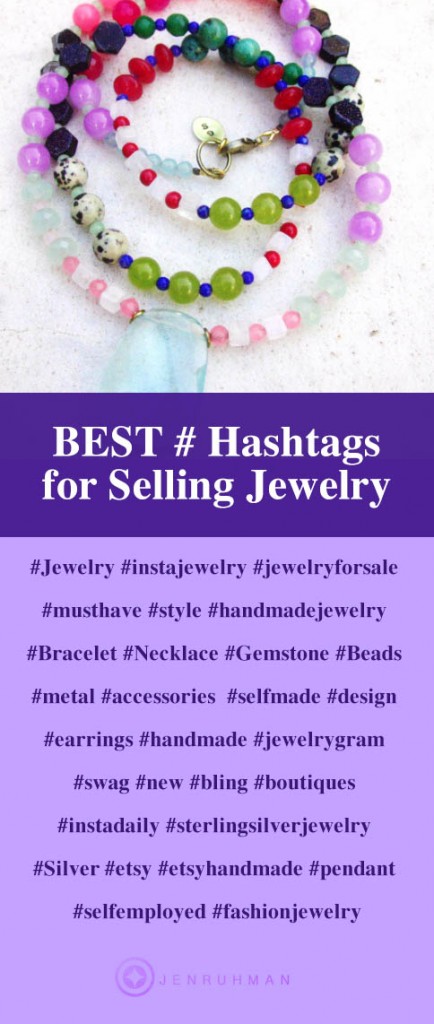
I have a list of the best hashtags for jewelry you can copy and paste into your instagram account. Bookmark this page.
On instagram, you can use up to 30 hashtags per post. I recommend you take full advantage of using all 30. You can experiment using these and make them your own by changing some and seeing what works for your jewelry business.
Using your phone: Touch and hold to copy jewelry hashtags | Paste into Instagram
First of all, hashtags are the “keywords” for social media platforms such as instagram, twitter, Facebook, and Tumblr. Using the best hashtags for jewelry will level the playing field for your small business! You can literally compete with large jewelry stores this way no matter how many followers you have.RELATED POST How to Get Your Business Started on Instagram
Using Jewelry hashtags on your instagram posts are perfect for anyone selling jewelry. If you have an Etsy store, online retail store, or even a local jewelry shop, you should be using these specific jewelry hashtags. BTW, make sure you place your online store’s website or Etsy page in your instagram profile.
Top Instagrams For Jewelry:
using Hashtags for Jewelry Effectively
Take a look at these people on instagram. Their instagram accounts are properly set up using hashtags geared to their specific type of jewelry they’re marketing on instagram. Study their photos and hashtags because they’re doing a great job.
If you know someone that sells jewelry online, please share these hashtags with them. Or if you know someone successful selling handmade jewelry by marketing on instagram, I’d love to feature them.
How to get Started Using Instagram for your Local Business
Instagram isn’t going anywhere and just keeps on getting better and bigger. If you haven’t started your local business on instagram yet, there’s no better time than now to start enjoying the latest instagram upgrades and benefits. And if you are using instagram already, these advanced local business tips for your company’s instagram will give you a competitive edge.
This guide is tailored to getting your local business started on instagram, If you’d like a broader audience, check out my ultimate guide how to get your business started on instagram.
How would you like your small local business to gain global traffic?
Sure, you can target just local business and I’ll show you how, but it’s also possible to gain global traffic! Instagram constantly impresses me with its capabilities to level the playing field for both small local business and large global businesses. That’s right, you’re competing with big brands using the same app. I have seen small local businesses succeed in marketing a service or product on instagram that literally sells out overnight! I have witnessed small business’ beauty salons services become overbooked and apparel becoming out of stock after instagram posts are published.
Today you can literally grow a small business by networking on instagram. It really is exciting to think of all the possibilities and witnessing people becoming “quit your daytime job” successful from instagram.
I’m going to let you in on some instagram hacks for local business
These local business instagram tips will help you get started on the right foot and ahead of competitors. realistically, you will gain local followers, global followers, brand exposure, and revenue. And with this recipe, if If you’re really lucky , you could have an instagram image go viral and gain overnight stardom.
That’s right, instagram – the free social media app for sharing photo rich content, descriptions, and hashtags.
Take your pick! Instagram is capable of delivering large truckloads of consumer traffic to your brick and mortar business or to your online retail store
Let’s make sure your instagram is optimized correctly from the start
Setting up a Local Business Instagram Account
Be sure to use your company’s name as your instagram user name. Do not use a cute or sexy username, keep it professional. If you run into the unfortunate event seeing your business’ name taken already on instagram, don’t worry follow this user guide to take action. If your local business is not your username, I suggest you change your instagram username. Once your instagram username is setup properly, let’s set up your profile correctly.RELATED POST How to Rank Higher on Yelp FREE
Instagram Profile Page Optimization
Link your website: The instagram profile page is essential for properly optimizing your business page. This is the only place you can place a link to your website or website landing page to drive targeted traffic. It’s crucial that your website is responsive. A responsive website adapts perfectly to your mobile device. The user should not have to struggle zooming in and out of your content. It always amazes me how many small businesses don’t list their website on their profile page or even worse they don’t have a website.
Profile picture: Make sure you have a high quality profile photo of your logo. Meaning, make sure it’s not blurry or pixelated. Make sure the photo looks good with both rounded corner and squared corners because your profile photo will be displayed squared on the web and rounded on mobile devices. Your profile photo cannot be more than 110×110 pixels. Your photo updates cannot be larger than 612×612 pixels. I recommend that you don’t alternate profile photos. People will slowly but surely recognize your profile photo and company name. Changing one of them could cause you to lose followers.
Build your local instagram powerhouse
You will need to be self disciplined when it comes down to what to post, when to post, and how to engage.
Only post high quality photos you’re proud of
Post consistently
Find the best time to update. What time did you post your most liked content?
Repost your fan’s photos and give them credit
Answer your audience’s questions
Get to know your fans
Post some local photos of your surroundings
Use your city as a hashtag
Follow local people that use your city’s hashtag
Have contests
Recycle your instagram content
It can be a chore to create amazing posts sometimes when you’re not inspired. Study what’s receiving likes for you business’ instagram page, go that direction. Give your fans more of what they want. You can even upload photos you already posted but apply a different filter.
You can take at least thirty minutes a week and plan your instagram posts ahead of time. Plan a weeks worth of high quality photos that will get your audience intrigued. Perhaps pick a theme of posts for the week. Having a saved library of stored photos ready to post at anytime is a smart idea. This way you can use these saved photos when you don’t have time to photograph or you’re stuck in the office all day or doing business errands. You can mix it up, take fresh photos and weave in your saved photos.RELATED POST How to Get Your Business Started on Instagram
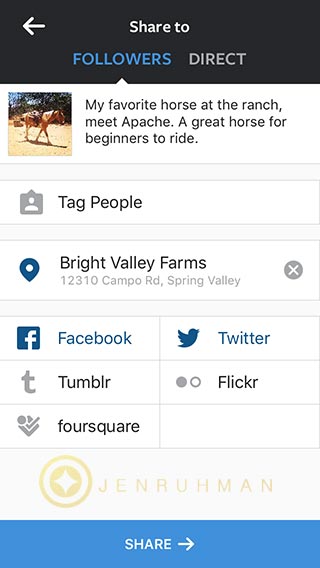
Using Instagram for your Local Business is done best when you geotag your photos. This will help you gain local instagram followers and attract local instagram users walking into your local business. Do this with every photo you post when you’re at your local business.
How to geotag instagram photos
Make sure your location settings are turned on
Click Add to Photo Map
Find your business location
Click on your location
Now all your instagram followers can see what else customers have tagged in the location, simplify by clicking on your location link.
Follow Local, Gain Local
You should follow local instagram users that geotag their location at your business. Get creative, find local followers by searching your city’s hashtag. Have a nearby local competitor? Follow their followers. When they see who’s following them, they may thank you and learn about your competitive services on your page.
Include instagram on your current marketing channels
You should include your social media usernames on all your marketing material. Everything from in store signage, flyers, postcards, coupons, email marketing, on your website, and mention your instagram account on your twitter and Facebook page.
Creative Ideas Using Instagram for your Local Business
Model your product at your local landmarks
Geotag your local photos
Repost your local followers photos
Network Locally
Do you have any local followers that have a HUGE following? Contact them, offer them free services or products in return for promotion on their instagram account and social media feeds. These people are also known as influencers. Find a few that you think will do a high quality job and watch for an increase of followers and foot traffic. Nearby local business owners will most likely like to network and boost foot traffic in the area too. Collaborate and ask them to share your business on their page and vice versa. Perhaps they can promote your products or services. It’s usually a win win situation.RELATED POST How to Get Local Instagram Followers
Have an instagram contest/giveaway
Contests can run like wildfire when you have something amazing you’re giving away for free! Free products or services will engage and attract a large amount of attention. Word of mouth about the contest generates brand exposure like nothing else I’ve seen on instagram. Instagram users LOVE a good contest. Don’t forget to promote the winner of your contest to gain more credibility. You will also want to select a winner that has a huge list of followers because they will share the news about their win. You will usually want to have a custom graphic made that shows everything the contest is offering, include your logo, and include the word contest or giveaway. When you post the photo, be sure to geotag, ass some has tags such as #contest #giveaway #free #freebies etc. Give instructions on your description by having users repost the photo and “tag 3 friends” for extra points. Users will most limey be glued to your page waiting to find out who won the prize.
Interact
Use instagram to communicate and engage your customers. Talk to them, like their photos. Have fun on instagram! Don’t limit yourself by only talking to local instagram users, talk to everyone you follow.
Local Hashtags
Don’t forget to use local hashtags. When you update, be sure to use your city or state.
Any ideas or suggestions? Please let me know in the comments.
And there you have it some hacks for using instagram for your local business.
This is my favorite FREE WordPress plugin to empower any WordPress website with schema markup. It immediately adds JSON-LD schema to a blog post! You can install it and enter your content in less than 3 minutes.
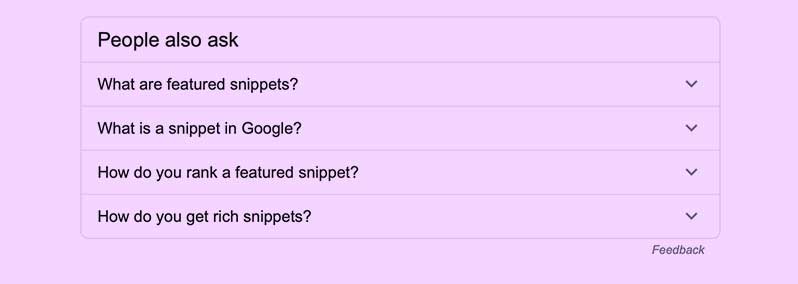
Why are SEO professionals excited about featured snippets?
Featured snippets gives lower ranking pages another chance to list at the top of the first page of Google. This is all done with little effort. You can easily get there with the WordPress plugin I recommend called: Structured Content (JSON-LD)
I’m using this post for a quick example. As a trusted SEO Specialist, this is my recommendation!
Here’s the plugin in action below and the steps how to use this plugin:
What's the Best Plugin for featured snippets?
Structured Content (JSON-LD) #WPSC plugin by Gordon Bohme, Antonio Leutsh. It uses JSON-LD – Google’s preferred markup.
Step 1
In your WordPress dashboard go to: Plugins
RELATED POST: How to Rank Higher in Google Maps
Step 2
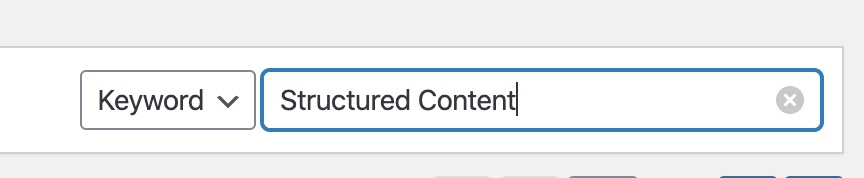
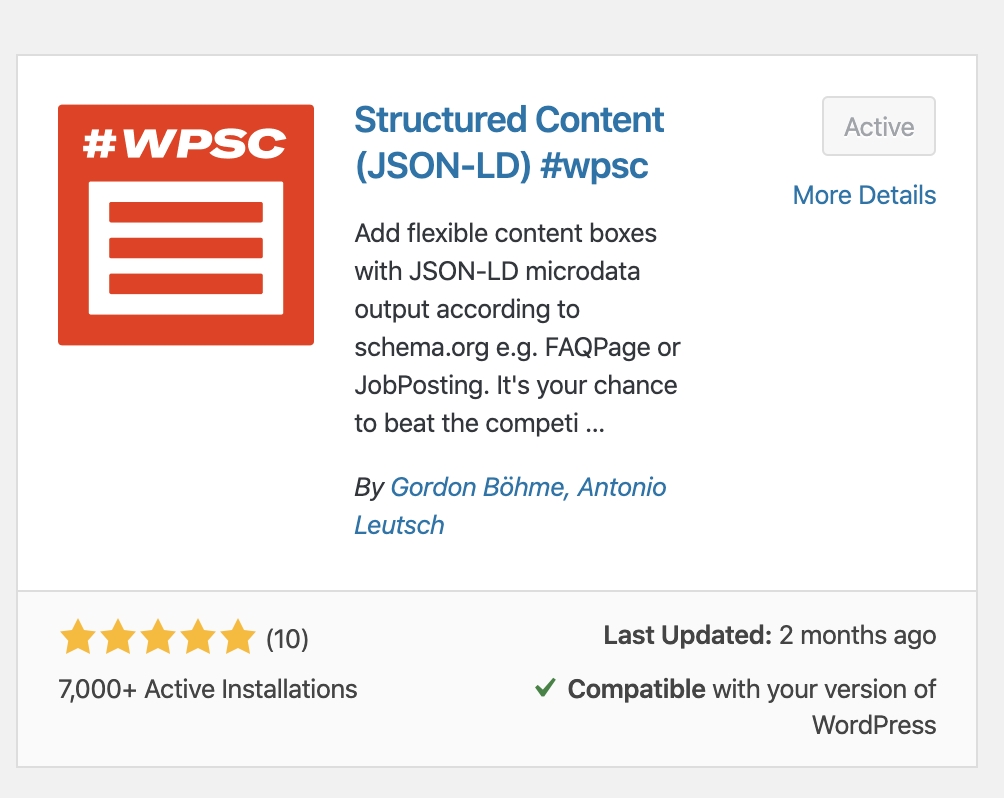
Search for “Structured content”. You’ll see the red #WPSC plugin by Gordon Bohme, Antonio Leutsh.
Step 3
Install the plugin and click “Activate”
RELATED POST: SEO Checklist for New Blog Posts
Step 4
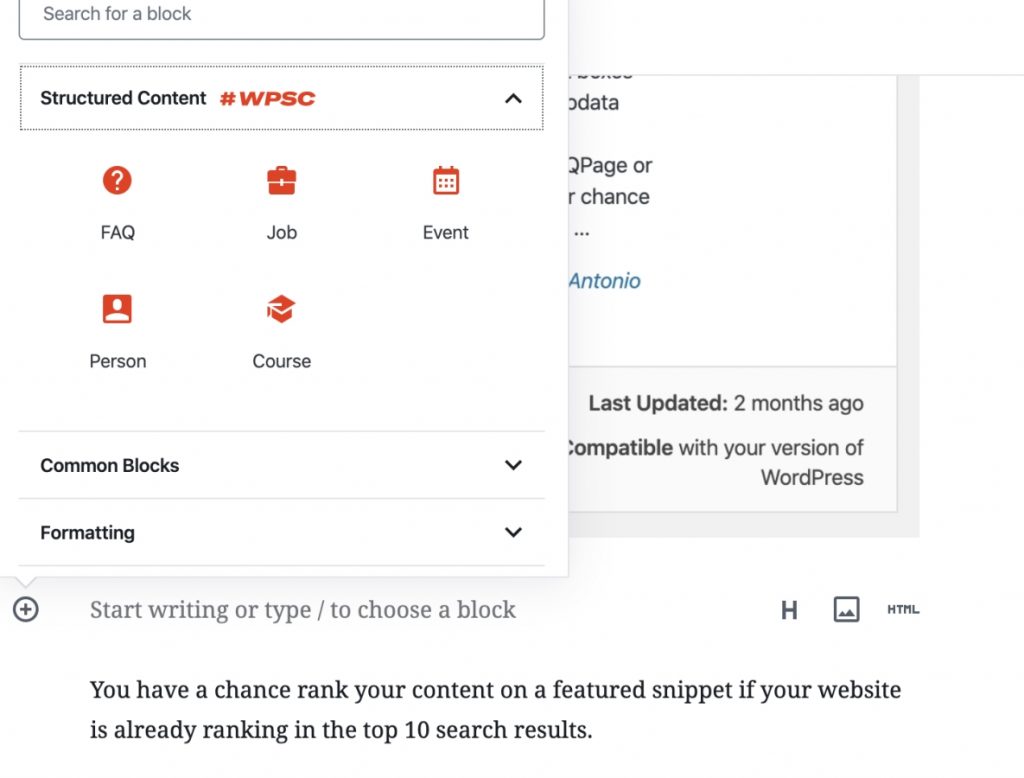
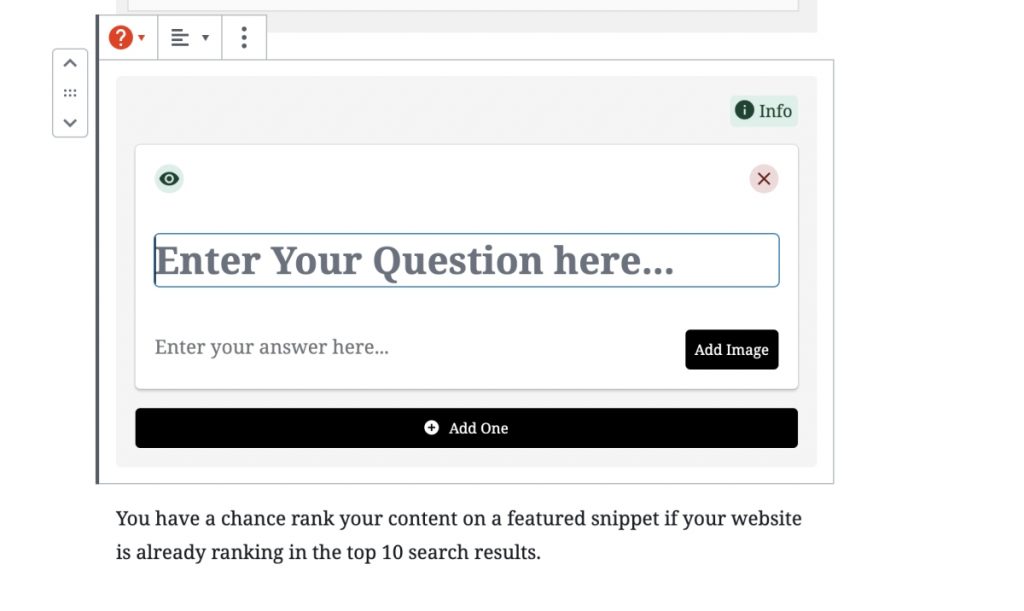
In your Gutenberg editor, add a new block > FAQ
Step 5
Enter your question and answer for your snippet. Don’t forget to add an image.
RELATED POST: SEO Facts Business Owners Overlook
Finished!
That’s all you have to do to get your blog posts ranking in Google’s featured snippets! However, you have to already be ranking in the top 10 SERPS in order to be pre-selected to appear in Google’s featured snippets.
Want to increase your chances being a featured snippet?
Start by conducting a Google search using the query you aim to be featured for. Analyze the existing featured snippet format; if it’s a list, create a well-structured list, and if it’s a table, generate an HTML table accordingly.
Implement structured data using a plugin like “Structured Content #WPSC” by Gordon Bohme and Antonio Leutsh. This helps search engines better understand your content and increases the chances of being featured.
Incorporate related questions and answers within your article. Addressing additional queries related to the main topic can increase the relevance of your content.
Examine the featured snippet of your competitors that is currently ranking. Refine your content to make it more informative, concise, and valuable, surpassing the competitor’s snippet in terms of helpfulness and clarity.
By following these steps, you can optimize your content for featured snippets and improve your chances of being prominently featured in search results.
RELATED POST: The Best FREE Longtail Keyword Generators
That’s it. It’s officially my favorite plugin and I think it’s the best plugin for Ranking in featured snippets.
Thanks for reading!
Please leave any questions in the comments section below!
If you’ve browsed stock photography websites offering high quality photos for $33.00 a pop, you gag.
Forget those “fancy schmancy” stock photo sites…
Check out these 30 bad-ass websites with the freshest and 100% FREE high quality stock photos.
(they’re totally legit and legal too btw.)
I know the struggle…
If you’re new to blogging and can’t afford paying for stock photos or a subscription, I hear ya. That was once me. Heck, I still love using free stock photography to cut costs. 😉
It’s crucial your new blog and social media has stunning images that make people instantly want to share your new blog post. Also she a tweet without even visiting your site. (it’s true)
This is my hand-picked collection of free photo websites that have creative large high quality images you can download for FREE.
Large photos – perfect for trending parallax backgrounds
Videos – another huge web design trend I’m loving
Vector / Illustrations
High Quality
(all links tested and working as of 10/1/2016)
1. PEXELS
pexels.com This free photo website has stunning images. They also add 100 new photos every day. This site keeps getting better. I’ve been using it for the past two years.
2. Pixabay
https://pixabay.com This site is my “go to” for downloading free videos for my web design. I mentioned the parallax web design trend, go here. There’s also nice illustrations and vector graphics all for FREE. Yay! I can always depend on this site’s powerful search tool of I can’t find an image anywhere else for free.
3. Gratisography
http://gratisography.com
This has some attention grabbing images that are kinda bizarre but cool. Perfect for attention grabbing tweets, pins, and blog post header images. I’ve seen a lot of blogs use this website.
4. Picjumbo
https://picjumbo.com I appreciate that this free image site has original photos. All nice big high quality photography. This website has some nice photo categories. I like checking out their tech photos when I blog for an IT company website.
5. New Old Stock
http://nos.twnsnd.co/
If you need vintage photography, this is the website for you! Black and white photos and even sepia colors, you name it. Searching is easy peasy. Fun creative photos to change up the mix.RELATED POST 10 Creative Ways to Use Instagram for Business
6. Snapwire Snaps
https://www.snapwi.re/ You have to check out the photo collections on this website. I love how it’s organized. Cooking, Coffee, Silhouettes, Smiles, Fitness, Fashion…and so many more! its all nicely organized. Amazing images.
More creative video background downloads and free photos. Very creative and useful original collections. I highly recommend these photos for your blog. They’re clean and high quality. Very professional looking photography.
8. Jaymantri
http://jaymantri.com
All these stunning photography were taken by Jay Mantri. Probably the most unique free photo website in this collection. Lots of architecture and close ups of doors,textures… perfect for someone out there.
9. Stokpic
http://stokpic.com Its a great site with easy to navigate categories. Only bummer, you have to register. Worth checking out. I wish they showed more photos per page. I love their fashion collection. I could see these images being used on pinterest.
10. Unsplash
https://unsplash.com Interesting free photo website that keeps growing. Be sure to browse the featured collections.
11. ISO Republic
http://isorepublic.com
Another great free photo resource for web designers that need high quality images. I also love their category of free textures.
12. Picography
http://picography.co/ Just a collection of unorganized photos, however they’re high quality. I wish these free photos had categories. Some real weird photos but hey everyone needs a little weirdness now and then right?
13. Get Refe
http://getrefe.tumblr.com
Great photos, I just don’t like the website usability. There’s some really unique images that catch your eye!
14. Foodies Feed
https://foodiesfeed.com
If you have a food blog… or as they say foodie blog 😉 this site’s for you! Also great if you’re the owner of a health blog, fitness blog, or just need free food related photography. Great hidden gem.
15. Travel Coffee Book
http://travelcoffeebook.com Jaw dropping images of traveling, nature, architecture. Everything is on one long page, sorry no search function. This site has such lovely graphics, you might get inspired to travel too.
http://jeshoots.com This site is bad-ass for having free mockup photos and free photoshop .PSD files. Great if you need a photo of someone holding an iPhone and you want to change the screen etc.
18. CupCake
http://cupcake.nilssonlee.se A small batch of free photography by Jonas Nilsson Lee. Fun to check out. Many scenic photos.
19. MorgueFile
https://morguefile.com/search/morguefile/1/most
This free photo site has tons of photos, all unique. I love how it displays how old each photo is. Check out the most popular / most downloaded images. There’s some great shots. So many images! I searched, typed in “colorful” and was delighted how amazing this site is.
20. Kaboompics
http://kaboompics.com
Clean, high resolution free photos that are all tagged and easy to find. I love the collection of desks with paper, pencils, phones all neatly placed.
21. Freeimages
https://freeimages.red
This website contains a very large selection of photos, but also videos! They offer the opportunity to contribute and get paid for it as well.
22. Life Of Pix
http://www.lifeofpix.com I’m happy to find this free photo site, good layout and they even have free videos! Beautiful images I’m sure you’ll want to place some of these images into your blog.
23. StockSnap
https://stocksnap.io
I thought this was pixels for a second. This has amazing photos… omg. The business category has nice photos. I’ll defiantly be using these in the near future. I love their categories, especially that they share what’s trending. There’s always something good.
24. FancyCrave
http://fancycrave.com
The best part of this site is that they offer free photo collections! It’s amazing. In the nav, click on photo packs. You can get an entire image collection, perfect for consistency if you want to place multiple styled images on one page for a professional look and feel.
25. GoodFreePhotos
https://www.goodfreephotos.com
If you’re in search for location based photos, this is your ticket. Every country is organized on the left navigation. This website does have images I’ve seen on other free photo websites but this is organized. Many as you know are not organized this nicely.RELATED POST Benefits of using instagram for Business
26. LibreShot
http://libreshot.com
Nice big website with a clean layout. They all have some sort of muted tone or styled filter applied to each photo.
27. Idpinthat
http://www.idpinthat.com A great free photo site for bloggers that want to create beautiful pinnable images for pinterest. This website can help everyone build a great pin. The website name says it all!
This free photo site just uploaded a ton of free christmas photos. Worth checking out if you’re going to do seasonal marketing.
29. Stocktookapic
https://stock.tookapic.com/photos?filter=free
Lots of beautiful free photography. Just make sure you click on the photos with the little cloud icon.
30. MMT
http://mmtstock.com/category/new-york/
Gorgeous one-of-a-kind photos by Jeffery Bettes. Nice categories. If you like one photo you’ll love them all. Check out his New York free photo collection. Love it!
31. IM FREE
http://www.imcreator.com/free
Great categories such as Occupation, Icons, Beauty, Fashion, Technology, Business, Recreation, BW, Ambient, People, Templates, Buttons, and more! Check it out already! 😉
WOW, so many websites to choose from with free high quality photos!
Want to learn How To Start a Blog and Make Money Online? Keep reading! I’m taking you under my wing.
Blogging 101 super EASY step by step How To Start a Blog and Make Money Online – Complete Guide.
Perfect for beginners.
Come fly with me! Let’s make money and have fun blogging!
Everyone is an expert at something or has a passion that they’re excited to share.
Put that passion and expertise to work for you and start making money today.
I have personally sat down and talked 101 with close friends and showed them how to get started. I have also had some speaking engagements presenting my own amazing personal blogging success story. I do a great job inspiring people about starting their own blog. I do have some close success stories of people I’ve personally helped, however, many start and quickly stop. Ugh! WHY? Because they have some personal traits that sabotages their success.
I think it’s very important to understand which traits these people have before you start your own successful blog.
I’m not sugar coating anything and telling you the honest truths you need to hear before you dive in and get discouraged or fail.
I don’t want to sound rude, but I’m very blunt.
I WANT you to succeed. I WANT everyone to succeed and make money by blogging what they’re passionate about.
I’ve sat down with people 101 and showed them step by step how to start a blog and making money online and unfortunately the majority get lazy and don’t go 100% with the steps. Why?
They’re lazy
Don’t MAKE the time
Not Passionate
Unrealistic Expectations
Get overwhelmed
Don’t want to keep learning about blogging tips
Give up too soon
It’s like they expect me to blog for them. It kinda pisses me off when I take time out of my schedule to genuinely help someone and they don’t make the effort back. That’s why thanks to them, I’m making this blog post instead, that you can just read and follow along.
These are the same steps I take when I create a new blog from scratch and want to monetize it fast. If I can make money from my blogs, do can you.
You really can blog for money, it’s a fact.
Anyone can become a blogger but not everyone knows how to make money being a blogger.
Comments / Excuses I often hear:
“Do people actually make a living from a blog?!”
“Bloggers just sit in coffee shops all day.”
“Who do you have to know to get famous blogging?”
“Why can’t I just quit my job and blog if it’s so easy?”
“I don’t have the time to blog…”
“I wish I had time like you… you’re lucky.”
“Blogger?.. so you don’t have a real job?”
It sounds too good to be true but it’s really happening.
I still don’t think people take bloggers seriously. Yet, there’s bloggers out there right now making 100K a month.
If you actually follow these steps and make the time, you’ll make money blogging and become a great blogger
If you skip the steps and try to take short cuts or get lazy, don’t even bother continuing reading this article. You’re not meant to be a blogger. Go keep complaining how unfair life is and all that jazz…peace.
Still reading? I didn’t upset you?! SWEET!
Let me tell you the BIG secret How people are becoming bloggers and making money
The big secret is that they don’t stop blogging. Why? Because successful bloggers of this caliber blog with passion. I like to refer to them as blogger unicorns. They’re the real deal and take the time going above and beyond to create a high quality blog post.
10 $ Successful Blogger characteristics:
Writes useful information
Includes details and secret tips
Comments back and answers questions
Interacts on social media
Able to take criticism
Includes helpful sharable images
Blogs with passion
Regularly blogs with passion
Has a nice WordPress design
Has SEO knowledge
When you have a passion, you genuinely want to learn and experience everything about it. When you have a passion, don’t you MAKE time for it? Am I right or what?!
There’s nothing more amazing than talking to someone that’s passionate about something, you can see this mysterious and contagious sparkle in their eyes. Have you witnessed this before? It’s mesmerizing.
You live, eat, breath it. You’re active on your blog not only blogging, but actively responding to comments – connecting with others.
It’s the secret sauce that makes a blog rich with delicious honey, that attracts bees to… sometimes even bears. LOL You want that buzz! It’s called traffic.
Good traffic generates:
An audience
Social media shares
Authority
Making money $
Brands wanting to work with you
Email newsletter signups
Comments
Are you ready to get started blogging and making income?
Ready to get serious and not look back?
Let’s get started.
Here’s the steps to become a Blogger and Make Money Online
1. Identify your passion and expertise!
What are you always eager to learn more about? What gets you excited? When you have passion and expertise, you have the ability to write a large amount of helpful content. The more original and helpful content you create, the bigger your site. The more pages you have ranking in Google, the more related ads you can sprinkled on you site. With more people able to visit so many pages, the more likely users will click on ads and generate monthly blog income. I want to also mention that the more trust you build, the more likely people are to make purchases from your site or click on Amazon Associate links of items you recommend.RELATED POST How to Make Money Blogging
2. Choose a name for your blog
(have your category in your domain name for SEO) This should be primarily what you’re going to be blogging about, your passion!
Need help deciding a blog name?Leave a comment below, what’s the majority of your blog posts going to be about?
Install WordPress (the blogging platform onto your hosting account) You’ll install this onto the root of your website -so leave the directory field empty.
Blogging Platform I highly recommend
I highly recommend you use WordPress as your blogging platform. It has the best usability and use of built-in SEO features that will help optimize your post. In other words, WordPress will handle all the HTML and SEO (search engine optimization) for you.
6. Purchase a Professional WordPress Theme
I recommend you purchase a high quality wordpress them if you want to be serious and monetize your blog. A nice responsive theme that has a clean design. This way you can always contact the theme’s support if you have a problem with your blog. I highly recommend using a theme from elegantthemes.com I’m not being paid to recommend this company! They just released Divi 3.0. It’s a phenomenal WordPress theme that you can use to easily design your blog. It has a WYSIWYG. “what you see is what you get.” You don’t have to know HTML, CSS, or even PHP.
7. Install these FREE helpful plug-ins that set you up for success
Using these plug-ins will help you start blogging the right way from scratch. The better foundation your blog starts with, the more traffic you’ll receive. I’m sharing my holy grail of plug-in you NEED.
So just how do bloggers make money from blogging is the mystery I’m sharing today. I hope you get inspired and make the effort needed to become successful. I’m also sharing with you my secret formula I use everyday to create blog posts for other companies that gain them first page rankings. (And if not the first page, the second…)
Even if you already have a blog that’s not earning money, I’ll let you know what you can start doing today and how to make money from your blog. You might have made some mistakes that beginners often make. It could be as simple as installing a wordpress plug-in.
9. Craft your First Blog Post with an Excellent Headline
Your success relies on using a catchy headline. Heck, sometimes on twitter, people see a cool headline and just share the tweet regardless! Amazing powerful stuff right?
People click on headlines that tease, build curiosity, sound super helpful, and excite.
Get ideas for sensational headlines by using headline generators.
You can also Google your topic and see what similar successful blogs are doing, just make yours better!
Blog as much as you want. Go on, let it all out. Blog blog blog! Scream, shout and type it all out. Keep it organized. Be specific. Be weird. Be REAL. Write from your unique perspective. Write useful content!
You WILL be a Great and Successful Blogger if You want to write and share Useful Information
Contribute to the free wealth of knowledge online. Perhaps you figured something out on your own when you couldn’t find any help online yourself.
Chances are, there’s someone else out there like you that’s searching Google for the same problem. There’s moments when you’re dealing with software and you run into a problem, Google it and there’s nothing to help, nothing on a community forum, you even contact the company support with little or no helpful response. Then you somehow after an hour of frustration figure it out on your own. You think…this would really help someone if I just blogged about it with screen shots.RELATED POST 70+ Ad Networks to Join – Make Money Blogging Today
You’re just what the internet needs.
It’s not just about how to blog for money, it’s how to add quality online too. Never forget that.
Count all the times the internet has helped you. The internet has SAVED me so many times with random things. You know what I mean…
11. Pump up the SEO
Get yourself a nice long tail keyword and work it into your headline.
Wait, what’s a long tail keyword?
They’re the search term people type into Google’s search bar. For example, a keyword could be “Computer repair San Diego” lots of competition for this popular keyword if you’re an IT shop in San Diego. So you should use a long tail keyword that’s less popular and more specific. An example would be “Lenovo laptop repair San Diego” or even longer “Lenovo laptop keyboard repair San Diego” Now we’re targeting a brand of laptops and location for laptop repair. This is an easier search term to rank for.
When you’re using the Yoast SEO plug-in, be sure to place this long tail keyword onto your title tag as well as url. See my example below:
This ranked the page #1 in the organic search results.
Work this keyword and variations of the keyword naturally into the content. Make sure you name the images this long tail keyword and also the alt tags.
12. Submit your blog post to Google
Using Yoast SEO plugin will help you with your SEO.
Share your new blog post on your favorite social media platforms. I highly recommend that you unleash the magic of Pinterest. Make a sharable image you’d like to see on Pinterest. I recommend http://www.idpinthat.com for newbies that want to use free images combined with a free image editor online. Using the free SumoMe will allow your website visitors to hover over the image on a desktop computer or click on the image on their mobile device to share on Facebook, twitter, and pinterest.
When you self promote and you’re new… you should do the 80/20 rule. Promote your posts only 20% of the time and promote similar high quality content 80% of the time. This will help give your audience helpful information.
If you’re new and don’t have established social media accounts, create them now and join http://viralcontentbuzz.com
This is a site where you can submit your blog post and people will share it on their social media posts in exchange for points. You earn points when you share someone’s post. It costs you points to get your article shared. Get it? It’s a win win.
Email your blog post to your friends and family. Why not? Maybe you have some friends that are natural influencers.
You can even put your social media accounts on auto pilot using Meet Edgar.com (paid) or Buffer.com (free)
I prefer Meet Edgar (I’m not paid for promoting this)
Have you read it a few times and think you forgot something? Maybe more helpful graphics? Share updated information that can make the content even more relevant. Perhaps adding more related images can help make the content less boring.
15. Internal Linking
Sprinkle links of related blog posts you’ve written into your new blog posts. Mix the fresh with old. This can help the click through rate of you site and keep your visitors on your site. This helps your page rank. Google will see your site as more valuable and want to rank it higher in search results. You want a site that keeps visitors engaged reading, learning, commenting.
16. Rinse and Repeat
Wow, you just went on a trip and a journey with me. Did you learn anything new? (I hope) Perhaps you already have a blog and you learned some new tips that can help you earn more money with your blog. Great! Which tips will you use on your own journey now?
Thank you for reading. I honestly hope you will get inspired to start a blog and make money starting today!
17. Your blog needs Patience, Persistence, Passion!
Congrats!!! You know how to get your blog started, monetized, and promoted. NOW you need to use your passion and keep motivated to blog!
This is how you need to picture blogging success
Starting a blog is like planting a seed.
Developing your brand, domain name, topic, installing your blogging platform, this is like planting a seed. Soon, your blog sprouts and it’s a new seedling, it needs water.
Blogging makes content and that content is your water. Without water, your seedling will dry up and wither away.
Soon you develop lots of content and a healthy young tree. Lots of time passes and your tree begins to produce fruit and shade. Branches – backlinks from other websites. The shade attracts life.RELATED POST How to Promote a Jewelry Business on Social Media
Your blog gets bigger and attracts visitors. The fruit is your revenue. Keeping your tree plentiful of juicy fruit requires lots of watering.
18. Keep the momentum going
Once you become this unstoppable blogging machine that blogs their heart out with passion. You become an authority of your topic. People become interested in your opinion. You’re eager to share new things you’ve learned and share what works and what does not. You’re sharing that passion with others. There’s no magic number of blog posts you need to start making money.
Your content has these key factors
Original
Good photos
Has helped people solve a problem
Has helped people make a purchase based on your unbiased review
Has long tail keywords and phrases that people have searched into Google
High quality – valuable information
Other blogs have linked to -backlinks
Has been interesting enough to get shares on social media
Creates buzz
19. Don’t be a cry baby blogger
What the hell does that mean? It means, once you start a blog you don’t just blog ten articles and call it a blog and stop. Don’t wimp out. Keep going. It can take a year before you see thousands of daily visitors.
It took me about one year to start making BIG money from one of my blogs. I started seeing 7k website hits per day. It took time to build an audience, trust, and useful content. Because I blog with passion and it’s a rewarding process in itself, making money from my blog is a bonus.
However, when making money from a blog, people lack patience!
Most people wimp out too early and never make a successful blog.
These are always their cry baby reasons why they stop:
“Blogging takes too long…” – If it takes too long you probably don’t have the passion
“I just wrote a new blog post and it’s not making money… this doesn’t work, you lied…” – It takes a long time to start seeing massive daily traffic.
“I have five blog posts, they’re good but they’re not getting traffic…” -However your blog posts are less than 400 words and it’s low quality
You don’t just wake up one morning and say… “uh… I’m bored blogging about cooking…” “I’m gonna blog about dogs instead…””
You also don’t wine that you’re not getting traffic or making money
Blogging should never be solely for the sake of just quitting your job, that’s just the benefit of a successful blog
Blogging should ALWAYS be for sharing useful quality information
Blog as often as you can make high quality content! Websites that have fresh content receive more traffic. However… never blog when you’re not feeling into it. Your readers can tell when a blog post feels forced. Google loves fresh content and as an incentive, Google rewards you with frequently sending google bots to your site to check for new content. You also gain an increase on your search rankings, (SERPS).
Ideally, the longer the post, the higher it will tend to rank. It’s seen as having more valuable content. Try looking at the top ranking blog posts for a random search in Google. If you can go 2500 words, do it!
How to keep your blog posts ranking high?
Once you get a highly successful blog post that ranks on the first page, you want to keep its place.
Frequently publish more high quality blog posts
Update the content of the aging blog post
Add internal links to old posts within your new posts
Continue to promote the old blog posts on Social media
The number one fault I see on blogs that causes their rankings to slowly drop
Many bloggers don’t make improvements or keep up with Google’s algorithm changes. For example, Google had a responsive website update. Google rewarded websites that used a responsive website design. This is one of Google’s many quality content guidelines.
If you run a local business, ranking higher in Google Maps can put your company in front of people who are actively searching for the products or services you provide.
I’ve worked in SEO for more than 20 years, and Google Maps has become an important source of visibility for many of the local businesses I work with.
But Google Maps SEO has also accumulated a lot of questionable advice over the years.
I’ve seen recommendations to stuff keywords into business names, geotag every photo, create fake offices, build hundreds of citations or add every nearby city to a service area.
That’s not how I approach Google Maps optimization.
There isn’t a legitimate trick that guarantees a top-three Maps ranking.
Instead, I focus on helping Google and potential customers clearly understand:
Who the business is
What it does
Where it operates
Which searches it’s relevant to
Whether the information is accurate
What customers say about it
How established the business appears online
And there’s one factor you can’t completely control:
Where the person searching is located.
Here’s how I approach improving Google Maps visibility.
Quick Answer: How Do You Rank Higher in Google Maps?
Google explains that local search results are primarily based on three factors:
Relevance — how well the business matches what someone is searching for.
Distance — how far a potential result is from the location used in the search.
Prominence — how well known the business is.
You can’t completely control distance.
But you can work on many of the other elements surrounding your local search presence.
That includes accurately setting up your Google Business Profile, choosing appropriate categories, providing useful business information, earning legitimate reviews, maintaining an accurate online presence and strengthening the business and website behind the profile.
The goal isn’t to trick Google Maps.
The goal is to make your business a legitimate, relevant and useful result.
1. Make Sure Your Google Business Profile Is Eligible and Accurate
Before trying to “optimize” anything, make sure the profile accurately represents a real business that is eligible for Google Business Profile.
Review important information such as:
Business name
Address, if applicable
Service-area setup, if applicable
Phone number
Website
Primary category
Additional categories
Business hours
Services
Business description
Photos
Attributes
and other available information relevant to the business.
I wouldn’t fill out a field simply because you think every field is a ranking factor.
Fill it out because it helps accurately represent the business and helps potential customers.
Accuracy comes first.
2. Use Your Real Business Name
This is one of the most important Local SEO rules to understand.
Your Google Business Profile name should reflect the name your business actually uses in the real world.
For example, if your real business name is:
ABC Plumbing
don’t turn the GBP name into:
ABC Plumbing | Best San Diego Emergency Plumber & Drain Cleaning
simply because you want to rank for those phrases.
Adding keywords to a business name can sometimes look tempting when competitors are doing it.
That doesn’t mean I recommend copying them.
I would rather build relevance through legitimate areas such as your categories, services, website and actual business presence than base a strategy on manipulating the company name.
3. Choose the Most Accurate Primary Category
Your Google Business Profile category helps describe what type of business you operate.
Choose the primary category that most accurately represents the core business.
Then add relevant additional categories when they genuinely apply.
Don’t choose unrelated categories simply because they represent services or keywords you’d like to rank for.
For example, a business offering several related professional services may legitimately qualify for multiple categories.
But more categories aren’t automatically better.
Accuracy is more important than quantity.
If your primary category doesn’t accurately describe the business, that’s one of the first things I would investigate in a Maps audit.
4. Add Accurate Services and Business Information
Depending on the business category, Google may allow you to provide information about individual services, products or other details.
Use those areas accurately.
For example, a personal injury law firm may provide services related to:
Car accidents
Motorcycle accidents
Pedestrian accidents
Truck accidents
Wrongful death
A financial advisor may provide:
Retirement planning
Wealth management
Investment guidance
Financial planning
The point isn’t to repeat keywords.
It’s to make the profile useful enough that someone can quickly understand whether the business offers what they’re looking for.
5. Build a Strong Review Profile
Reviews matter for two important reasons.
First, they help potential customers decide which business to choose.
Someone looking at three businesses in Google Maps may compare:
Ratings
Number of reviews
What customers actually say
How recent the feedback is
and how businesses respond to customers.
Second, Google states that review count and review scores can factor into local search ranking.
So I encourage local businesses to have a consistent process for asking legitimate customers for reviews.
What I don’t recommend:
Buying reviews.
Creating fake reviews.
Offering prohibited incentives.
Or scripting reviews with SEO keywords.
Ask customers for genuine feedback.
Let them describe their actual experience.
Should You Respond to Reviews?
I recommend it.
Review responses can show prospective customers that the business pays attention to feedback.
Respond professionally whether the review is positive or negative.
I view this as good reputation management and customer service—not a secret Maps ranking hack.
6. Add Real, Useful Business Photos
Photos can make a Google Business Profile much more useful.
For a storefront business, useful images may include:
Exterior
Entrance
Parking
Reception area
Interior
Team members
Products
and completed work.
For a service business, you might show:
Team members
Company vehicles
Equipment
Completed projects
Before-and-after examples when appropriate
and employees performing real work.
I used to see photo geotagging recommended constantly as a Local SEO tactic.
I don’t recommend spending your time obsessing over photo metadata for Google Maps rankings.
Upload authentic, useful images that help potential customers understand the business.
7. Strengthen the Website Connected to Your Profile
Your Google Business Profile doesn’t exist in isolation.
Your website gives customers—and search engines—much more information about the business.
It should clearly explain:
What you do
Which services you provide
Where you operate
Who you serve
What experience you have
and how someone can contact you.
For many local businesses, dedicated service pages are especially important.
If you offer five major services, don’t assume a two-sentence list on the homepage is enough to explain all five.
Build pages because customers need the information—not because you want to manufacture URLs.
You can make your Google Business Profile more accurate and useful.
But I wouldn’t promise that any combination of those things will make your business rank everywhere regardless of its actual location.
A farther-away business can still appear.
But there isn’t an SEO setting that turns distance off.
Understanding that distinction can save businesses a lot of wasted time and money.
How Your Website Supports Your Local Search Presence
I don’t treat Google Business Profile optimization and website SEO as completely separate projects.
But I also don’t assume that improving organic website rankings will automatically create the same improvement in Google Maps.
Your website provides additional information about:
Your services
Your business
Your locations
Your experience
Your reputation
and the topics associated with your company.
More importantly, the website gives you another way to reach customers.
If proximity limits your Maps visibility in part of San Diego County, a strong organic landing page may still give you an opportunity to appear for a relevant search.
That’s why my Local SEO strategy considers Maps and organic search together.
There are a lot of Local SEO tactics I wouldn’t build a business around.
Keyword Stuffing Your Business Name
Use the real-world business name.
Don’t turn the GBP name into an SEO title.
Creating Fake Locations
Don’t manufacture offices or locations simply because you want additional Maps visibility.
Buying Reviews
Earn genuine reviews from real customers.
Telling Customers What Keywords to Put in Reviews
Ask for honest feedback rather than scripting SEO copy for customers.
Obsessing Over Photo Geotags
Upload useful, authentic photos instead.
Creating Hundreds of Low-Quality Citations
Focus on accurate, legitimate business mentions.
Assuming Service Areas Equal Rankings
Adding a city to the service-area field doesn’t guarantee rankings there.
Creating Dozens of Thin City Pages
Build location pages when they genuinely help customers and represent important markets.
Ignoring the Website
Google Business Profile doesn’t replace website SEO.
Expecting to Rank Everywhere
Maps visibility can change as the searcher’s location changes.
Looking for a Secret Maps Hack
There isn’t one I would recommend building a business around.
How Long Does It Take to Rank Higher in Google Maps?
There isn’t one universal timeline.
Sometimes a business can see changes relatively quickly after correcting an obvious problem.
For example:
The wrong category
Incorrect business information
A broken website link
or another significant profile issue.
Competitive situations can take much longer.
A business competing for a valuable service across San Diego may be up against companies with years of reviews, established reputations, strong websites, media coverage and long-standing local visibility.
That’s why I don’t guarantee:
“We’ll get you into the top three in 30 days.”
I evaluate progress over time.
And I don’t look only at rankings.
I want to know whether local visibility is generating calls, leads, appointments and customers.
How I Approach Google Maps SEO
If I were auditing a business that wanted better Google Maps visibility, I would generally start by looking at:
The legitimacy and accuracy of the Google Business Profile
Primary and additional categories
Business information
Services
Reviews
Actual business location
Service-area configuration
Competitors
Current Maps visibility across the target area
Website service pages
Organic rankings
Location pages
Business mentions and links
and whether the visibility is producing leads.
Then I’d prioritize the problems with the biggest potential impact.
That might mean fixing the GBP.
It might mean strengthening the website.
It might mean earning more legitimate reviews.
It might mean cleaning up inaccurate business information.
Or it might mean telling the business owner:
“Your Maps visibility is limited here largely because of proximity. Let’s look at the organic opportunity instead.”
That’s much more useful than applying the same Google Maps checklist to every business.
Frequently Asked Questions About Google Maps Rankings
What determines Google Maps rankings?
Google says local results are primarily based on relevance, distance and prominence. How those factors affect an individual search can vary, which is one reason local results can change depending on the query and searcher’s location.
Can I pay Google to rank higher in Google Maps?
You can’t pay Google for a higher organic local ranking. Google offers advertising products, but paid placements and organic local rankings are different.
Do Google reviews help Maps rankings?
Google states that more reviews and positive ratings can help a business’s local ranking. Reviews can also strongly influence whether potential customers choose your business. Focus on earning genuine feedback rather than manipulating reviews.
Does my website affect my Google Maps visibility?
Your website is part of your broader online presence, but Google Maps rankings aren’t determined by website SEO alone. Google describes local ranking primarily in terms of relevance, distance and prominence. A strong website also gives your business an opportunity to compete in traditional organic search.
Should I put keywords in my Google Business Profile name?
Only when those words are legitimately part of your real-world business name. Don’t add service or location keywords solely to manipulate rankings.
Does geotagging photos help Google Maps rankings?
I wouldn’t rely on photo geotagging as a Maps ranking strategy. Spend your time uploading authentic, useful photos that accurately represent your business.
How many reviews do I need to rank in Google Maps?
There is no universal review number that guarantees a particular ranking. Your competitive environment also matters, and reviews are only one part of Google’s broader local ranking system.
Can a service-area business rank in Google Maps?
Eligible service-area businesses can have Google Business Profiles. However, adding cities to the service-area field doesn’t guarantee strong visibility throughout those cities. Distance can still affect local results.
Why does my business rank in Maps near my office but not across town?
Proximity is likely part of the explanation. Local results can change depending on the location associated with the search. That’s why I recommend evaluating Maps visibility geographically rather than relying on one ranking check.
Is Google Maps SEO the same as Local SEO?
No. Google Maps optimization is one component of Local SEO. Local SEO can also involve your website, organic search visibility, service and location pages, reviews, business information, links, mentions and conversion strategy.
Want to Rank Higher in Google Maps?
If your business isn’t appearing prominently in Google Maps—or your visibility drops dramatically once searches move away from your location—the first step is figuring out why.
I’ve worked in SEO for more than 20 years, and I look at the entire local search picture: Google Business Profile, proximity, website SEO, organic rankings, reviews, competitors, services, links and actual lead generation.
Sometimes there’s an optimization problem.
Sometimes there’s a website problem.
Sometimes there’s a reputation problem.
And sometimes what looks like an SEO problem is simply how proximity affects the local results.
If you’d like help identifying the difference, learn more about working directly with my San Diego SEO company.