Nov 10, 2022 | SEO Tips
What are the 3 main areas of SEO?
Search Engine Optimization, or SEO for short, is a digital marketing strategy employed in order to improve a website or web page’s visibility and organic search results.
What Are the 3 Main Areas of SEO?
Search Engine Optimization (SEO) is a cornerstone of digital marketing, aimed at improving a website’s visibility in organic search results. These organic listings are unpaid and are ranked based on their relevance to a user’s search query. Higher-ranking, relevant pages not only get more clicks but also drive meaningful traffic that can convert into leads, sales, or brand awareness.
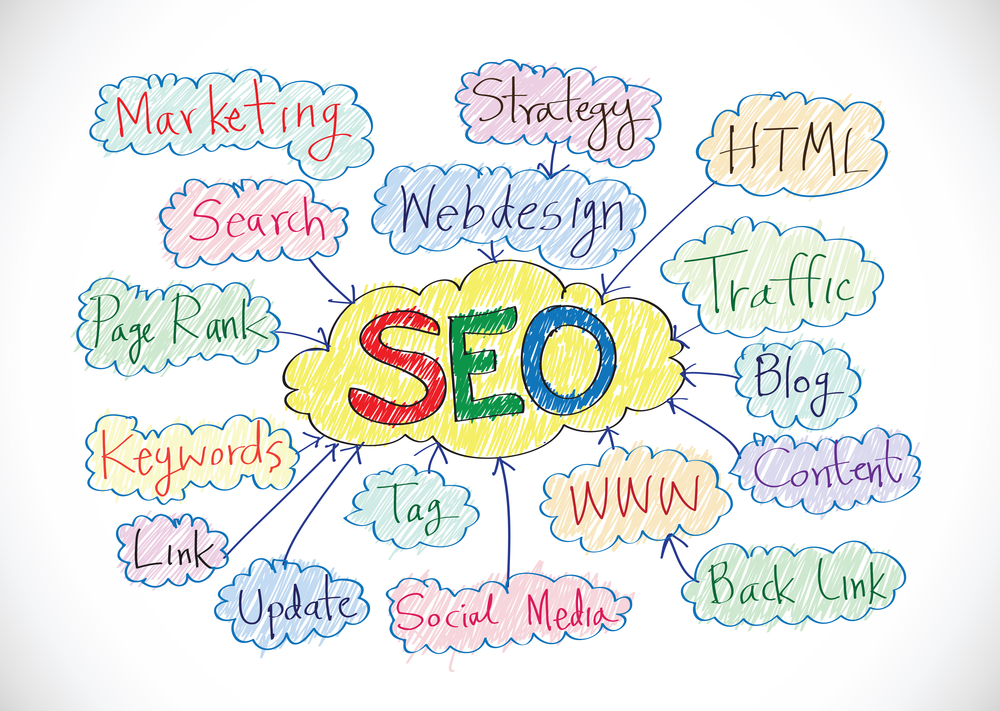
SEO is more than just adding keywords—it’s a comprehensive strategy that spans multiple areas. Understanding the three main pillars of SEO—On-Page SEO, Off-Page SEO, and Technical SEO—is crucial for building a successful online presence.
Why Is SEO Important?
SEO helps you attract more visitors to your website, creating opportunities for growth. A well-optimized website:
- Improves search visibility and attracts the right audience.
- Builds brand credibility by ranking high in search results.
- Generates sustainable traffic that can convert into sales or leads.
- Positions your business as an authority in your niche.
Mastering the three main areas of SEO ensures a balanced strategy, addressing everything from content quality to technical performance. Let’s dive into each of these areas.
1. On-Page SEO: Optimizing Content and Elements on Your Website
On-page SEO focuses on optimizing the elements within your website to improve its search engine rankings. This includes content quality, keyword placement, and HTML tags, such as title tags, meta descriptions, and header tags.
Key Components of On-Page SEO:
- Content Quality:
- Ensure your content is informative, engaging, and solves problems for your audience.
- Write with both users and search engines in mind by naturally integrating relevant keywords.
- Use visuals, such as images and videos, to enhance user experience.
- Keyword Optimization:
- Conduct keyword research to identify terms your audience is searching for.
- Avoid keyword stuffing, as it can harm readability and result in penalties from Google.
- HTML Elements:
- Write compelling title tags and meta descriptions that encourage users to click.
- Use header tags (H1, H2, H3) to organize your content and make it more digestible for both users and search engines.
2. Off-Page SEO: Building Authority Beyond Your Website
Off-page SEO focuses on actions taken outside your website to improve its authority, credibility, and rankings. Think of it as establishing your site’s reputation in the digital ecosystem.
Key Components of Off-Page SEO:
- Link Building:
- Acquire backlinks from high-authority websites to signal trustworthiness to search engines.
- Quality matters more than quantity—focus on links from relevant, authoritative sources.
- Social Media Engagement:
- Share valuable content on platforms like LinkedIn, Instagram, and Twitter to increase visibility.
- Social signals, such as likes and shares, can indirectly boost SEO by driving traffic and engagement.
- Local SEO and Directories:
- Claim and optimize your business profiles on Google Business Profile and local directories.
- Encourage satisfied customers to leave reviews, as positive ratings improve local search rankings.
3. Technical SEO: The Backbone of Website Performance
Technical SEO involves optimizing the technical infrastructure of your website to ensure it meets search engine requirements for crawling and indexing.
Key Components of Technical SEO:
- Site Speed:
- A slow-loading site negatively impacts user experience and rankings. Use tools like Google PageSpeed Insights to identify and fix speed issues.
- Mobile-Friendliness:
- With mobile-first indexing, having a responsive, mobile-friendly site is non-negotiable.
- Site Architecture:
- Ensure your website is easy to navigate with a clear structure.
- Use sitemaps and clean URLs to help search engines index your pages effectively.
- Technical Fixes:
- Address broken links, ensure proper redirects, and resolve crawl errors identified in Google Search Console.
A Comprehensive Approach to SEO
Achieving success in SEO requires a balanced approach across all three areas. Each pillar complements the others:
- On-page SEO ensures your content is optimized for relevance and readability.
- Off-page SEO builds credibility and trust through external validation.
- Technical SEO creates a solid foundation that supports both users and search engines.
When executed together, these strategies create a robust SEO framework that can drive long-term success.
Need Help With SEO? Let Us Handle It for You!
Struggling to improve your website’s SEO on your own? That’s where Jen Ruhman SEO comes in.
We offer tailored SEO solutions designed to help your business:
- Rank higher in search results.
- Attract more traffic to your website.
- Convert visitors into customers.
Our monthly SEO services include a combination of on-page optimization, off-page strategies, and technical improvements to deliver measurable results.
Schedule Your Free Consultation Today!
Let’s discuss your goals and create a custom SEO strategy that works for you.
Struggling to figure out SEO on your own?
That’s where we come in! Monthly website SEO services from Jen Ruhman SEO can help get your website ranked higher in search engine results pages (SERPs), helping you attract more visitors and convert more leads.
Higher search engine rankings not only mean more website visitors but also more leads and customers for your business. Our team of experienced SEO professionals in San Diego will help you achieve the rankings you need to succeed online.
Sign up today for a free consultation with our team! We’ll discuss your business goals and develop a custom monthly SEO plan that’s right for you.

Nov 9, 2022 | SEO Tips
5 Reasons Why Every Business Needs a Website
In today’s digital world, it’s more important than ever for businesses to have an online presence. If you don’t have a website for your business, you’re missing out on a lot of potential customers and revenue. Here are five reasons why every business needs a website.
1. A website gives you a professional appearance.
2. Customers can find you 24/7.
3. A website builds credibility.
4. You can reach a larger audience with a website.
5. A website allows you to track your marketing efforts and collect data about your customers.
1. A website makes your business look more credible.
In the past, having a website was a luxury that only big businesses could afford. These days, however, it’s become an essential part of doing business. Customers expect to be able to find businesses online, and if you don’t have a website, you’re at a disadvantage. Having a website shows customers that you’re a credible business that they can trust.
2. A website gives you a place to showcase your products and services.
Your website is like an online brochure for your business. It’s a place where you can showcase your products and services in all their glory. With beautiful photos and well-written descriptions, you can give potential customers an idea of what you have to offer without them even having to step into your store or office.
3. A website makes it easy for customers to contact you.
If you have a website, potential customers can easily get in touch with you with the click of a button. Include your contact information on your website, and make it easy for visitors to find it. You can also include a contact form so that customers can reach out to you without even having to pick up the phone.
4. A website allows you to connect with customers on a personal level.
Your website is more than just an online brochure; it’s also a great way to connect with your customers on a personal level. Use your blog to share stories about your business and your products, and use social media to build relationships with your customers. By connecting with customers on a personal level, you’ll create lifelong fans who are more likely than ever to do business with you again and again.
5. A Website Allows You to Collect Data About Your Customers.
Another benefit of having a website is that it allows you to collect data about your customers. With a website, you can track your marketing efforts and see which ones are working and which ones aren’t. You can also use Google Analytics to track how people are finding your website and what they’re doing on your site. This information can be invaluable in helping you grow your business.
Having a business website is essential if you want to compete in today’s market. Customers expect businesses to have a website, and if you don’t have one, you’ll appear behind the times. Websites give businesses a professional appearance, allow customers to find you 24/7, build credibility, reach a larger audience, and track marketing efforts. Don’t miss out on the potential benefits of having a business website – get one today!
Pssst… I still offer web design services too!
Did you know that I have humble beginnings as a website designer and eventually became a professional SEO expert? It’s true. The website I designed began with SEO in its foundation. If you’re looking for an SEO company in San Diego that “does it all” including website design and print design for all your social media and marketing needs. Contact me today!

Nov 8, 2022 | SEO Tips
Does My Business Need SEO? A Complete Guide for 2024
Understanding SEO in Today’s Digital Landscape
Search Engine Optimization (SEO) has evolved from a technical nice-to-have into a crucial business strategy. When someone searches for “pizza place in New York” or “best dentist near me,” the top results aren’t there by chance – they’re there because of deliberate SEO efforts. But does your business need to invest in SEO? Let’s break it down.
The “It Depends” Framework
The answer to whether your business needs SEO isn’t a simple yes or no – it depends on several key factors:
1. Geographic Focus
- Hyperlocal Business: If you serve a small, specific area with minimal competition (like being the only bakery in a small town), basic local SEO might suffice.
- Regional Player: Businesses serving multiple neighborhoods or cities typically need more robust SEO.
- National/International: Companies with no geographic limitations absolutely need comprehensive SEO strategies.
2. Competition Level
Even in small markets, competition changes everything. Consider these real-world examples:
Case Study: Medical Spa Market
- High Competition: La Jolla, CA
- Affluent area with numerous med-spas
- High-value procedures like Botox
- SEO is essential for visibility
- Low Competition: Santee, CA
- Fewer competing med-spas
- Basic local SEO might be sufficient
- Unless targeting broader San Diego market
When You Definitely Need SEO
1. Your Industry Is Digital-First
- E-commerce businesses
- SaaS companies
- Digital service providers
- Online consultants
2. Your Customers Research Online Before Buying
- Home services
- Healthcare providers
- Professional services
- High-value purchases
3. You’re in a Competitive Market
- Restaurants in tourist areas
- Real estate
- Legal services
- Beauty and wellness
The Business Impact of SEO
1. Measurable ROI
- Cost Per Acquisition: Often lower than paid advertising
- Long-term Benefits: Results compound over time
- Brand Authority: Improved market positioning
2. Customer Journey Enhancement
- Discovery: Makes your business findable when customers need you
- Trust Building: Higher rankings often correlate with increased trust
- Conversion: Quality traffic leads to better conversion rates
3. Market Intelligence
- Understand customer search behavior
- Identify market trends
- Track competitor strategies
Common SEO Misconceptions
1. “SEO Is Just Keywords”
Modern SEO encompasses:
- User experience
- Mobile optimization
- Content quality
- Technical performance
- Local presence
2. “SEO Is a One-Time Thing”
SEO requires:
- Regular content updates
- Ongoing optimization
- Continuous monitoring
- Strategy adjustments
3. “SEO Results Are Immediate”
Reality check:
- 3-6 months for initial results
- 12+ months for significant impact
- Ongoing maintenance for sustainability
Making the Decision
Ask Yourself:
- Where are your customers searching?
- What’s your competition doing?
- What’s your growth strategy?
- What’s your marketing budget?
Consider Your Resources:
- Time for content creation
- Budget for optimization
- Technical capabilities
- Competition level
Action Steps
If You Need SEO:
- Audit your current online presence
- Research your target keywords
- Analyze your competition
- Set realistic goals
- Create a content strategy
- Consider professional help
If You Don’t Need Comprehensive SEO:
- Claim your Google Business Profile
- Ensure basic website optimization
- Monitor local rankings
- Focus on customer reviews
The Bottom Line
While not every business needs an aggressive SEO strategy, every business needs some level of search engine presence. The key is determining the right level of investment based on your market, competition, and business goals.
Need help deciding? Consider these factors:
- Your target market size
- Competition level in your area
- Growth objectives
- Available resources
Remember: The best SEO strategy is one that aligns with your business goals and provides a positive return on investment.
You’ve tried doing your own SEO, but it’s just too hard and you don’t have the time.
You’re not alone. A lot of business owners feel the same way. That’s why we offer monthly SEO services to help you get more traffic and leads from Google.
Jen Ruhman SEO is an experienced search engine optimization expert in San Diego who can help you get more website visitors through organic search. We’ll help you improve your website content, increase your link popularity, and optimize your website for Google search engine results pages (SERPs).

Nov 5, 2022 | SEO Tips
3 Proven Ways to Boost Your Google Rankings
A Colourful 3d Rendered Illustration showing a Ranking Concept Keyboard
Last Updated: November 2024
In today’s digital landscape, achieving and maintaining strong Google rankings isn’t just about visibility—it’s about survival. With over 90% of online experiences beginning with a search engine, your website’s SEO performance directly impacts your business’s bottom line.
Why Traditional SEO Strategies Aren’t Enough Anymore
Before diving into solutions, let’s address a critical reality: Google’s algorithms have evolved dramatically. With updates like Google Helpful Content Update and SGE (Search Generative Experience), traditional SEO tactics alone won’t cut it. Today’s SEO requires a sophisticated, multi-faceted approach.
1. Create High-Quality, E-E-A-T-Focused Content
Gone are the days when “content is king” meant simply publishing regular blog posts. Today’s content must demonstrate:
Experience, Expertise, Authoritativeness, and Trustworthiness (E-E-A-T):
- First-hand experience with topics you’re writing about
- Detailed, practical insights backed by data
- Expert contributions or citations
- Regular content audits and updates
Strategic Content Development:
- Comprehensive topic clusters instead of isolated articles
- User intent mapping for each piece of content
- Strategic internal linking between related content
- Rich media integration (images, videos, infographics)
Pro Tip: Create content briefs that include:
- Primary and secondary keywords
- User intent analysis
- Required subtopics
- Content structure
- Target word count based on SERP analysis
2. Technical SEO and Mobile Optimization
Mobile optimization isn’t just about responsive design anymore. Here’s what you need to focus on:
Core Web Vitals:
- Largest Contentful Paint (LCP): < 2.5 seconds
- First Input Delay (FID): < 100 milliseconds
- Cumulative Layout Shift (CLS): < 0.1
Mobile-First Optimization:
- Progressive Web App (PWA) capabilities
- Accelerated Mobile Pages (AMP) for news content
- Touch-friendly navigation
- Mobile-specific content formatting
Technical Foundations:
- Structured data implementation
- XML sitemap optimization
- Robots.txt configuration
- Page speed optimization
- HTTPS security
3. Local SEO and Citation Building
Local SEO has become increasingly sophisticated, requiring:
Google Business Profile Optimization:
- Regular posts and updates
- Response to reviews
- Product/service cataloging
- Q&A management
Local Citation Strategy:
- Industry-specific directory listings
- Location-based content creation
- Local link building opportunities
- Consistent NAP (Name, Address, Phone) information
Local Content Development:
- Location-specific landing pages
- Community involvement content
- Local event coverage
- Region-specific case studies
Measuring Success
Track these key performance indicators:
- Organic traffic growth
- Conversion rates from organic traffic
- Page load times
- Mobile usability metrics
- Local search visibility
- Featured snippet appearances
- Core Web Vitals scores
Implementation Strategy
- Audit Current Performance
- Review existing content
- Analyze technical SEO elements
- Assess local presence
- Identify quick wins
- Create Action Plan
- Prioritize improvements
- Set realistic timelines
- Allocate resources
- Define success metrics
- Execute and Monitor
- Implement changes systematically
- Track performance metrics
- Adjust strategy based on results
- Document successful approaches
Common Pitfalls to Avoid
- Overlooking mobile-first indexing requirements
- Neglecting Core Web Vitals optimization
- Focusing on quantity over quality in content creation
- Ignoring local SEO opportunities
- Failed to adapt to algorithm updates
About Professional SEO Services
While many aspects of SEO can be handled in-house, partnering with experienced professionals can accelerate results. Look for providers who:
- Have a proven track record of success
- Use white-hat techniques exclusively
- Provide transparent reporting
- Stay current with industry changes
- Offer customized strategies
Note: This article is regularly updated to reflect current SEO best practices and algorithm changes.
It’s hard to know who to trust when it comes to SEO services.
There are a lot of so-called SEO experts out there, but how do you know who to trust? And even if you do find someone you can trust, how do you know what they’re doing is effective?
Jen Ruhman SEO is different. We’re an experienced SEO company in San Diego with a track record of success. We only use white hat techniques that comply with Google’s guidelines, and we’re constantly tracking our results so we can ensure that your investment in SEO pays off.
Oct 20, 2022 | SEO Tips
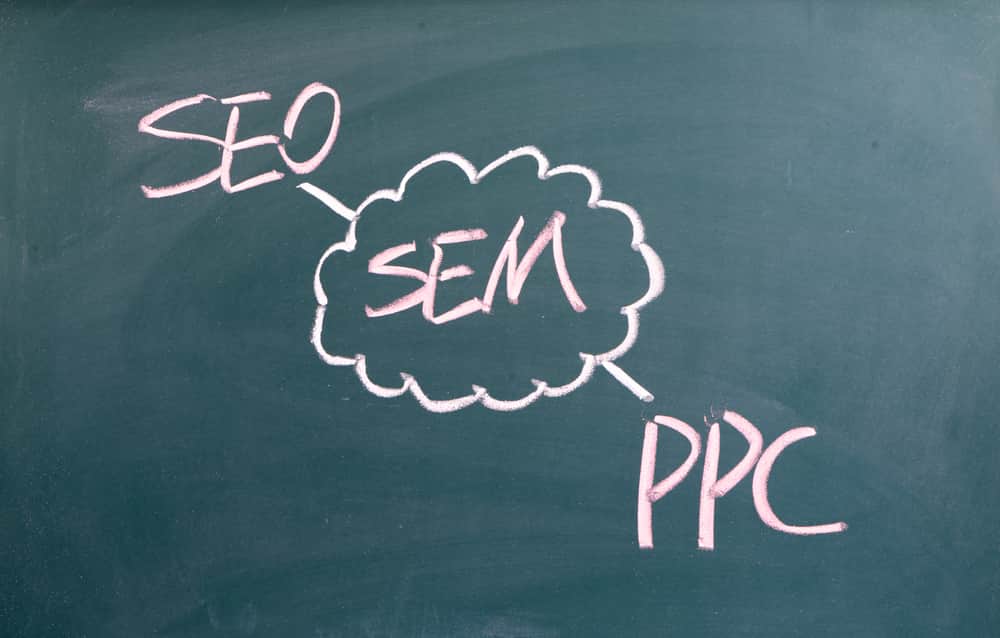
What is better, SEO or PPC?
The Pros and Cons of SEO and PPC
In today’s digital landscape, choosing the right marketing strategy can make or break your online success. Two of the most powerful tools at your disposal are Search Engine Optimization (SEO) and Pay-Per-Click (PPC) advertising. But which one deserves your time and budget? Let’s dive deep into both approaches to help you make an informed decision.
Understanding SEO and PPC
What is SEO?
Search Engine Optimization (SEO) is the art and science of optimizing your website to rank higher in organic search results. It involves various strategies:
- On-page optimization (content, meta tags, headers)
- Technical SEO (site speed, mobile responsiveness, structure)
- Off-page SEO (backlinks, social signals, brand mentions)
- Content marketing and keyword optimization
What is PPC?
Pay-Per-Click (PPC) advertising is a model where you pay for each click on your advertisement. Popular platforms include:
- Google Ads (formerly AdWords)
- Bing Ads
- Social media advertising (Facebook, LinkedIn, Instagram)
Detailed Comparison
SEO Advantages
- Long-term Value
- Creates sustainable organic traffic
- Builds authority and credibility
- Compounds over time with continued effort
- Cost-Effectiveness
- No per-click costs
- Higher ROI potential in the long run
- Continuous traffic without ongoing ad spend
- Trust and Credibility
- Users often trust organic results more than ads
- Builds brand authority naturally
- Higher click-through rates for organic listings
- Wide-reaching Impact
- Improves overall website quality
- Benefits multiple marketing channels
- Enhances user experience
SEO Challenges
- Time Investment
- Takes 6-12 months for significant results
- Requires consistent effort and patience
- Regular content updates needed
- Complexity
- Algorithm changes can affect rankings
- Technical expertise required
- Competitive keywords are challenging
PPC Advantages
- Immediate Results
- Instant visibility
- Predictable traffic
- Quick testing and optimization
- Precise Targeting
- Geographic targeting
- Demographic targeting
- Device-specific campaigns
- Time-of-day scheduling
- Measurable ROI
- Detailed analytics
- Clear cost per acquisition
- Easy A/B testing
- Flexible Budget Control
- Start/stop campaigns instantly
- Adjust spending in real-time
- Scale based on performance
PPC Challenges
- Ongoing Costs
- Can be expensive in competitive markets
- Requires continuous investment
- Cost per click may increase over time
- Platform Restrictions
- Industry-specific limitations
- Account suspension risks
- Policy changes can affect campaigns
- Common Restrictions and Regulations
- Financial services limitations
- Healthcare advertising restrictions
- Local service verification requirements
- Trademark and copyright considerations
Making the Right Choice
Consider These Factors:
- Business Goals
- Immediate sales vs. long-term growth
- Brand building vs. direct response
- Local vs. national reach
- Budget Considerations
- Available monthly marketing budget
- Cash flow requirements
- ROI expectations
- Industry Context
- Competition level
- Average cost per click
- Seasonal factors
Recommended Approach
For most businesses, the best strategy is often a hybrid approach:
- Short-term: Use PPC for:
- Immediate visibility
- Testing keywords
- Seasonal promotions
- Product launches
- Long-term: Invest in SEO for:
- Sustainable growth
- Brand authority
- Reduced acquisition costs
- Market leadership
Implementation Strategy
Getting Started
- Audit Your Current Position
- Analyze website performance
- Review competitor strategies
- Assess available resources
- Set Clear Goals
- Define KPIs
- Establish timeline
- Create budget allocation
- Monitor and Adjust
- Track performance metrics
- Optimize campaigns
- Adjust strategy based on results
Professional Support
Consider working with experienced professionals who can:
- Develop customized strategies
- Manage technical implementation
- Optimize campaign performance
- Stay current with industry changes
- Provide ROI tracking and reporting
Here’s an example of updates:
*Ads for credit repair services will no longer be allowed to serve.
*Ads for locksmith services are restricted in the United States of America and Canada. Ads for garage door repair services are restricted in the United States of America. To advertise, you must apply for advanced verification. Learn more about advanced verification.
There is no easy answer when it comes to deciding between SEO and PPC for your business. Both have their pros and cons, and both can be effective strategies for driving traffic to your website and generating leads/sales. The best way to decide which one is right for you is by thinking about your goals and budget for marketing, and then testing out both methods to see which one gets better results for your business specifically.
Was that a bummer? UGH. It’s a conversation you need to have.
How committed are you to your business becoming successful?
Do you have the budget for long-term monthly SEO services?
Do you have the budget for renting PPC keywords?
You’re spending money in both examples and most likely will hire an SEO professional to manage your Adwords and SEO.
If you’re still hesitant about whether you should pick SEO or PPC for your specific business, consult with an SEO Expert such as me.
Ready to skyrocket your company’s presence on Google? Let me take care of the heavy lifting!
I’m Jen and I am an SEO expert in San Diego, CA. That means that not only do my clients have access to one-on-one SEO consulting from someone ( I own and operate my own SEO company in San Diego) who knows exactly what they’re doing but also get results – because we both understand how important rankings are (especially these days). So whether you need help with ranking higher for certain keywords or just want some general advice about optimizing outlined pages, let’s talk ASAP so I can get started working together right away.
Call or shoot me a text here:
(619) 719-1315
Oct 18, 2022 | SEO Tips
When it comes to website traffic, there are a lot of different options out there. You can focus on paid promotion, social media, or SEO. But which one is the best? The answer may surprise you. Here’s Why SEO Should Be Your Primary Source of Website Traffic:

While all of these sources have their merits, SEO is hands-down the best source of website traffic. Here’s why:
SEO Is More Cost-Effective Than Paid Promotion
One of the main benefits of SEO is that it’s a cost-effective way to drive traffic to your website. Unlike paid advertising, you don’t have to pay for each click or impression. Once you’ve optimized your website, you can rank higher in search engine results without paying for ads.
One of the biggest benefits of SEO is that it’s more cost-effective than paid promotion. With paid promotion, you have to keep paying to maintain your results. With SEO, once you achieve a high ranking, you can maintain that ranking without continued payments. This means that you’ll save money in the long run by focusing on SEO.
It Helps You Reach Your Target Audience
Another benefit of SEO is that it helps you reach your target audience. When people search for keywords related to your business, they are more likely to find your website if it ranks high in search results. This allows you to connect with people who are interested in what you have to offer.
SEO Drives More Targeted Traffic Than Social Media or Paid Promotion
Another benefit of SEO is that it drives more targeted traffic than social media or paid promotion. When someone clicks on an ad, they may not be interested in your product or service. But when someone finds your website through a search engine, they’re already interested in what you have to offer. This means that they’re more likely to convert into a paying customer.
ROI Tracking
It Provides ROI Tracking Finally, one of the best benefits of SEO is that it provides ROI tracking . With other marketing methods, it can be difficult to track whether or not your efforts are paying off. However, with SEO, you can use tools like Google Analytics to track how much traffic you’re getting from organic searches. This data can then be used to measure ROI and assess the effectiveness of your SEO efforts over time.
SEO Helps You Build Trust and Credibility
Finally, SEO helps you build trust and credibility with potential customers. When your website appears at the top of the search results, people will see you as an authority in your field. This makes them more likely to do business with you over your competitors.
There are a lot of different ways to drive traffic to your website. But if you’re looking for the best source of targeted, cost-effective traffic, then you should be focusing on SEO. By investing in SEO, you’ll be able to save money in the long run and build trust and credibility with potential customers. So what are you waiting for? Get started on your SEO strategy today!
SEO can be used to improve the visibility of your website and attract more traffic. In turn, this can lead to more customers and sales.
The Foundation: Understanding SEO’s Unique Value Proposition
Unlike other traffic sources, SEO focuses on capturing existing demand through search engines, connecting you with users actively seeking solutions you provide. This fundamental difference makes SEO traffic more valuable and convertible than other sources.
Cost-Effectiveness: The Long-Term Financial Advantage
Initial Investment vs. Ongoing Returns
- Paid Advertising: Requires continuous spending to maintain traffic
- SEO: Front-loaded investment with long-lasting returns
- Cost Per Acquisition: Typically lower for SEO compared to paid channels
Compounding Benefits
- Rankings improvements build upon themselves over time
- Content continues working for you long after publication
- Domain authority grows progressively, making future ranking easier
Quality of Traffic: Why SEO Leads Convert Better
Intent-Based Marketing
- Users finding you through search have specific needs
- Higher conversion rates due to search intent alignment
- More qualified leads compared to interruption-based marketing
Trust and Credibility Factors
- High search rankings serve as social proof
- Users trust organic results more than advertisements
- Position as an authority in your industry through valuable content
Measurable Results: Advanced Analytics and ROI Tracking
Key Performance Indicators
- Organic traffic growth
- Keyword position tracking
- Conversion rates from organic search
- Page-specific performance metrics
Tools and Measurement
- Google Search Console insights
- Google Analytics 4 integration
- Comprehensive conversion tracking
- Customer journey analysis
Competitive Advantage: Building Sustainable Market Position
Market Share Benefits
- Difficult for competitors to replicate quickly
- Compounds over time as authority grows
- Creates barriers to entry for new competitors
Brand Building Through Search
- Increased brand visibility
- Enhanced brand recognition
- Stronger market positioning
Future-Proofing Your Digital Presence
Adaptation to Algorithm Changes
- Focus on user experience
- Quality content creation
- Mobile-first optimization
- Core Web Vitals compliance
Emerging Trends Integration
- Voice search optimization
- AI and machine learning considerations
- Local SEO importance
- Video content optimization
Implementation Strategy: Getting Started
Essential First Steps
- Conduct a comprehensive SEO audit
- Develop a keyword strategy
- Optimize technical foundations
- Create a content calendar
- Establish measurement frameworks
Common Pitfalls to Avoid
- Over-optimization
- Ignoring technical SEO
- Neglecting mobile users
- Poor content quality
- Inconsistent effort
Investment Considerations
Resource Allocation
- Time investment requirements
- Skill development needs
- Tools and software costs
- Professional assistance options
Expected Timeline
- Initial improvements: 3-6 months
- Significant results: 6-12 months
- Long-term sustainability: 12+ months
The Path Forward
While other marketing channels certainly have their place, SEO should be the cornerstone of your digital marketing strategy. Its unique combination of cost-effectiveness, scalability, and sustainable results makes it the most valuable long-term investment for businesses seeking to establish a strong online presence.
The key to success lies in viewing SEO not as a quick fix but as a fundamental business asset that appreciates over time. By implementing a comprehensive SEO strategy today, you’re not just improving your current traffic—you’re building a foundation for sustained digital success.
Ready to skyrocket your company’s presence on Google? Let me take care of the heavy lifting!
I’m Jen and I am an SEO expert in San Diego, CA. That means that not only do my clients have access to one-on-one coaching from someone who knows exactly what they’re doing but also get results – because we both understand how important rankings are (especially these days). So whether you need help with ranking higher for certain keywords or just want some general advice about optimizing outlined pages*, let’s talk ASAP so our team can get started working together right away.