
Mar 19, 2023 | links, SEO
Backlinks still matter in SEO.
But I don’t think businesses should approach link building as a race to collect as many links as possible.
The better question is:
Why would another legitimate website want to mention or link to my business?
That changes the strategy completely.
Instead of trying to manufacture hundreds of backlinks, I focus on earning legitimate references from websites, publications, organizations and communities where it actually makes sense for the business to appear.
That’s where digital PR and link building work together.
Digital PR can help a business earn media coverage, expert mentions, interviews, citations and brand exposure.
Link building focuses more specifically on earning links from other websites.
Sometimes those goals overlap.
Sometimes a great PR mention doesn’t include a followed backlink at all—and I may still consider it valuable.
Here’s how I think about digital PR and link building for SEO today.
Quick Answer: What Are Digital PR and Link Building?
Digital PR is the process of earning online visibility through media coverage, expert commentary, original research, interviews, partnerships, newsworthy stories and other legitimate mentions of your business.
Link building is the process of earning links from other websites to yours.
A good digital PR campaign can produce backlinks, but backlinks shouldn’t be the only reason to pursue PR.
A legitimate mention can also create:
- Brand awareness
- Referral traffic
- Industry credibility
- Relationships with journalists and publishers
- Exposure to potential customers
- Search visibility around your brand
- Opportunities for future coverage
That broader value is why I prefer thinking in terms of authority and visibility rather than simply counting links.
Why Do Backlinks Matter for SEO?
A backlink is a link from another website to yours.
Links have long been part of how search engines discover pages and evaluate relationships between websites.
But this does not mean:
More backlinks = higher rankings.
A link from a real, relevant publication can be very different from a link created on a website that exists primarily to sell guest posts.
I would rather earn one legitimate editorial mention from a publication people actually read than manufacture dozens of links on websites built mainly for link placement.
Backlinks are one component of off-page SEO, along with broader signals such as media coverage, business citations, professional associations and legitimate brand mentions.
What Is Digital PR?
Digital PR is public relations conducted primarily through online channels.
The goal is to get your business, expertise, research or story in front of audiences beyond your own website.
Digital PR opportunities can include:
Media coverage.
Expert commentary.
Interviews.
Podcasts.
News articles.
Industry publications.
Original research.
Local business stories.
Community involvement.
Partnership announcements.
Surveys.
Data studies.
Awards.
Professional organizations.
Useful resources.
Some of these opportunities result in a backlink.
Some result in an unlinked brand mention.
Some generate referral traffic.
Some introduce your business to journalists or customers who had never heard of you before.
That’s why I don’t judge the entire value of PR based on whether a link is followed.
Digital PR vs. Traditional Link Building
There is overlap, but I don’t consider them identical.
Traditional link building often begins with:
“How can I get another website to link to this page?”
Digital PR begins more broadly:
“What can this business contribute that is actually worth talking about?”
That contribution might be:
Expert knowledge.
Original data.
A strong opinion.
A local trend.
A useful resource.
A compelling business story.
A community initiative.
A new development.
That’s a much stronger starting point.
The backlink becomes a potential result of doing something worthy of attention rather than the entire reason the activity exists.
What Makes a Backlink Worth Pursuing?
I don’t evaluate backlinks using one metric.
Third-party SEO tools may provide authority scores, traffic estimates and other useful data, but no single score tells me whether a link is good.
I look at the bigger picture.
Is the Website Relevant?
Does the website have a real relationship to your business, industry, expertise or market?
A San Diego business mentioned by a legitimate San Diego publication has an obvious contextual connection.
A dentist referenced by a respected dental organization makes sense.
A contractor included in a legitimate construction publication makes sense.
Random links from unrelated websites are much less interesting to me.
Is It a Legitimate Website?
Does the website appear to exist for actual users?
Does it publish genuine editorial content?
Does it have a real audience or purpose?
Or does every page appear to exist because somebody paid to place an article and a backlink?
That distinction matters.
Does the Mention Make Sense?
Context matters.
If I’m quoted in an article about SEO strategy, a link to my website makes sense.
If the same link suddenly appears in an unrelated article about cryptocurrency, there’s no logical connection.
I want links and mentions to look like they belong where they appear.
Could the Link Send Real Referral Traffic?
Not every valuable link needs to send thousands of visitors.
But I like asking whether a real person might actually click it.
A link from a niche publication with a small but highly relevant audience may be far more useful to a business than a random high-metric website nobody in its market reads.
Would I Want the Mention Without the Backlink?
This is one of my favorite tests.
Ask yourself:
Would I still want my business mentioned on this website if the link were nofollow?
If the answer is yes, you’ve probably found a much more interesting opportunity.
That means the placement has real-world value beyond trying to manipulate rankings.
Quality Matters More Than Raw Link Count
I don’t build backlink strategies around hitting an arbitrary number.
I don’t tell clients:
“You need 100 links this month.”
Why 100?
Where are they coming from?
Why would those websites link to you?
Are they relevant?
Are they legitimate?
Are they useful?
Link count by itself tells me very little.
I’d rather see a smaller backlink profile filled with legitimate industry, media, local and professional references than a huge collection of questionable links created solely for SEO.
What About Domain Authority?
You’ll often hear people talk about DA, DR or other third-party authority metrics.
These can be useful for comparing websites.
But Google does not use Moz Domain Authority or another SEO tool’s proprietary score as its ranking system.
I don’t reject a good PR opportunity because a tool says the publication’s authority score is one point below an arbitrary threshold.
And I don’t automatically pursue a website simply because its DA is high.
I look at:
Relevance.
Legitimacy.
Editorial quality.
Audience.
Context.
Reputation.
Traffic potential.
Relationship to the business.
SEO metrics can help inform the evaluation.
They shouldn’t replace judgment.
Good Digital PR Starts With Something Worth Sharing
One of the hardest parts of digital PR is that the business actually needs something interesting to contribute.
Sending journalists:
“Hi, please write about my company because I want a backlink”
isn’t much of a story.
A better pitch may involve:
Original research.
A local trend you’ve observed.
Interesting customer data.
An expert reaction to industry news.
A survey.
A useful analysis.
A surprising business insight.
A timely local issue.
A compelling case study.
A genuinely unusual company development.
You need a reason for someone else to care.
Original Research Can Be Powerful
Original information can create particularly strong PR opportunities.
Suppose a San Diego business publishes research about:
Small-business marketing trends.
Local housing behavior.
Tourism patterns.
Financial concerns.
Consumer preferences.
Hiring trends.
Health and wellness habits.
Technology adoption.
If the research is legitimate and interesting, journalists and publishers may reference it when covering related topics.
That doesn’t guarantee backlinks.
But it gives you something original to pitch rather than another generic blog post that says the same thing as hundreds of other websites.
Expert Commentary Is Another Strong PR Strategy
You don’t always need a major research project.
Sometimes your expertise is the story.
Journalists regularly need experts who can explain complicated topics.
A financial advisor might provide perspective on retirement planning.
An attorney might explain a legal development.
A doctor might provide general educational commentary within appropriate professional limits.
A contractor might discuss home-maintenance trends.
And someone like me might explain changes in Google search, Local SEO or AI search.
When you genuinely know your subject, expert commentary can become an excellent way to build visibility.
Local PR Opportunities for San Diego Businesses
Local businesses sometimes overlook PR because they assume media coverage is only for large national brands.
I disagree.
A San Diego business can look for opportunities with:
Local news publications.
Business publications.
Community organizations.
Professional associations.
Chambers of commerce.
Local podcasts.
Event organizers.
Neighborhood publications.
Industry groups.
Charities.
Local partnerships.
Relevant community events.
The opportunity needs to make sense for the business.
You don’t need to appear in a national publication every month to build a credible presence online.
Sometimes the most relevant authority comes from your own market.
Community Involvement Can Produce Natural Mentions
PR doesn’t always start with pitching journalists.
Businesses participate in the real world.
Maybe you:
Sponsor a local event.
Support a nonprofit.
Teach a workshop.
Speak at an industry conference.
Host a community event.
Partner with another company.
Participate in a professional organization.
Contribute expertise to a local publication.
Those activities may naturally produce:
Event pages.
Organization profiles.
Press coverage.
Partner mentions.
Business citations.
Backlinks.
The key is that the activity exists for a legitimate reason.
The online visibility is an additional benefit.
What About Guest Posting?
Guest posting isn’t automatically good or bad.
The context matters.
Contributing a thoughtful article to a reputable industry publication where you have actual expertise can be perfectly reasonable.
Writing hundreds of generic articles for websites that exist mainly to sell followed backlinks is something very different.
When evaluating a guest-post opportunity, I ask:
Would I be proud to have my name associated with this publication?
Does the website serve a legitimate audience?
Do I actually have expertise to contribute?
Would this article still be worth writing if Google ignored the backlink?
Those questions eliminate a lot of bad opportunities quickly.
Don’t Buy Links Just Because Someone Says They Have “High DA”
If you run a website long enough, you’ll receive emails promising backlinks.
Usually something like:
“We can publish your article on a DA 70 site with permanent dofollow links.”
I don’t make backlink decisions based on sales emails and authority scores.
Links created primarily to manipulate search rankings can create risk.
That includes certain paid link schemes, large-scale link exchanges and mass-produced guest posting intended primarily to pass ranking value.
If a placement is sponsored or paid, appropriate link attributes may also be necessary.
The goal shouldn’t be finding increasingly clever ways to disguise paid links.
The goal should be building a legitimate business presence.
Are Nofollow Links Worth Anything?
They can be.
A nofollow link does not need to be treated as worthless.
Imagine a respected news publication writes an article about your business and links to you using a nofollow attribute.
Would I say:
“Forget it. That coverage has no value”?
Of course not.
You may still gain:
Referral traffic.
Brand awareness.
Credibility.
Customer discovery.
Future media opportunities.
A legitimate online reference to your company.
Google can treat certain link attributes as hints for its systems, but I would never promise ranking improvement simply because you earned a nofollow link.
The broader marketing value can be reason enough.
What About Unlinked Brand Mentions?
The same logic applies.
If a major publication mentions your business without linking to your website, I don’t automatically consider the coverage unsuccessful.
An unlinked mention can still expose your brand to an entirely new audience.
People may:
Search for your company.
Visit your website directly.
Follow you on social media.
Mention your business elsewhere.
Reference the story.
Become customers.
I would not claim that every unlinked brand mention is a confirmed direct Google ranking signal.
That’s too simplistic.
But legitimate brand visibility across the web can still be extremely valuable.
Digital PR and AI Search
AI search has created another reason businesses are thinking more seriously about their overall online footprint.
Systems such as Google AI features and conversational AI can draw information from numerous sources when forming responses.
That does not mean there’s a simple formula such as:
“Get ten brand mentions and ChatGPT will recommend your company.”
There isn’t.
But building a clear, credible and widely supported online presence is sensible.
I want your business information to be understandable on your own website and reinforced by legitimate sources elsewhere when possible.
That can include:
Media coverage.
Professional profiles.
Industry references.
Business directories.
Interviews.
Reviews.
Expert commentary.
Relevant backlinks.
If AI visibility is one of your goals, I go deeper into this in my guide on how to get your business recommended by ChatGPT and AI search.
What About Press Releases?
Press releases can be useful when you actually have news.
Examples might include:
A major company expansion.
A meaningful acquisition.
New research.
An important executive appointment.
A major community initiative.
A genuinely newsworthy product or service development.
But I don’t publish a press release and assume syndicated links will magically increase rankings.
A press release is primarily a communications and distribution tool.
Its greatest value may come when journalists, publishers or industry websites discover the story and create independent coverage of their own.
That’s much more interesting than simply counting every syndicated copy as another “backlink.”
Business Directories Have a Different Job
Business directories and citations can still be useful, especially for local businesses.
But I separate them conceptually from digital PR.
A legitimate directory listing might help:
Keep business information accurate.
Make the business easier to discover.
Provide referral traffic.
Establish a relevant professional or local profile.
Provide a legitimate website reference.
That doesn’t mean you should submit your business to every directory you can find.
I’ve created a separate guide to 375 local citation sites for businesses that specifically want to work on citations.
I also have a resource on SEO-friendly business directories that explains why I now prioritize relevance and legitimacy over raw link quantity.
What About Link Exchanges?
Natural reciprocal links happen.
Two legitimate business partners may link to each other.
An organization may link to a member who links back to the organization.
A company may recommend a useful resource that also happens to mention the company somewhere else.
That’s normal.
The problem is turning link exchanges into a scheme:
“I’ll link to you only if you give me a keyword-rich link back.”
At scale, that starts looking less like genuine web relationships and more like manufacturing PageRank.
Again, context matters.
How I Build a Digital PR and Link Strategy
I don’t begin by buying a list of websites.
I begin with the business.
Step 1: Understand What Makes the Business Interesting
What expertise does the company have?
What experience?
What data?
What local perspective?
What customer insight?
What story?
What resources?
There has to be something worth promoting.
Step 2: Identify the Right Audience
Who should know about it?
Customers?
Journalists?
Industry professionals?
Local business owners?
Trade publications?
Community organizations?
Different stories belong in different places.
Step 3: Create Something Worth Referencing
This may be:
Original research.
An expert article.
A useful guide.
A case study.
A statistic.
A survey.
A tool.
A visual resource.
A strong opinion backed by experience.
A newsworthy development.
The best link assets usually give someone a legitimate reason to reference them.
Step 4: Find Relevant Publishers and Organizations
Then I look for places where the story actually belongs.
Not:
“Who will sell me a backlink?”
But:
“Who serves the audience that would care about this?”
That’s a much healthier outreach strategy.
Step 5: Personalize the Pitch
Journalists receive enormous amounts of generic outreach.
A good pitch should quickly explain:
Why you’re contacting that particular person.
Why the story matters to their audience.
What is new or useful about it.
What expertise or information you can provide.
I don’t need a five-paragraph autobiography.
Get to the point.
Step 6: Build Relationships Over Time
One successful placement can lead to another.
If you provide useful expert commentary, respond professionally and make a journalist’s job easier, they may remember you.
That’s a much stronger long-term strategy than emailing thousands of strangers asking for links.
Step 7: Measure More Than Backlinks
I certainly track links.
But I also care about:
Referral traffic.
Brand searches.
Media placements.
Qualified visibility.
New relationships.
Lead generation.
Mentions.
Which types of outreach actually work.
The biggest link count does not automatically equal the best PR campaign.
How I Evaluate a Link Opportunity
When an opportunity comes across my desk, these are the types of questions I ask:
- Is the website legitimate?
- Is it relevant to the business?
- Does it have a real audience?
- Is the content editorially credible?
- Does the placement make contextual sense?
- Would I be comfortable showing the link to a client?
- Could the mention send relevant traffic?
- Is someone asking us to manipulate anchor text?
- Is payment involved?
- Would the opportunity still have value without a followed backlink?
That last question is worth repeating.
If the only value disappears when Google stops counting the link, I’d question the opportunity.
What Should Your Backlink Anchor Text Look Like?
I don’t try to make every external link use the exact keyword I want to rank for.
That can become unnatural very quickly.
Legitimate editorial links often use:
Your business name.
Your name.
A URL.
The title of a resource.
Natural descriptive text.
That’s fine.
If a newspaper mentions Jen Ruhman SEO, I don’t need to email the journalist asking them to change the anchor to:
“best SEO company San Diego affordable Local SEO expert.”
Natural links tend to look natural.
How Long Does Digital PR Take?
There isn’t one reliable timeline.
A timely expert comment might earn a placement quickly.
A relationship with a major publication may take months.
Original research may require considerable preparation before it’s ready to pitch.
Some outreach won’t receive a response at all.
That’s normal.
Digital PR is not a vending machine where you insert one press release and receive three backlinks.
The strongest results often come from consistency, expertise, relationships and having genuinely interesting information to contribute.
Can Digital PR Improve Google Rankings?
It can support SEO, particularly when PR leads to legitimate backlinks, stronger brand visibility and relevant third-party references.
But I would never promise:
“Get featured in this publication and your rankings will increase.”
SEO doesn’t work that predictably.
Rankings can be affected by many things, including:
Search intent.
Content quality.
Technical SEO.
Competition.
Backlinks.
Internal linking.
Website structure.
Local signals.
Page relevance.
The strength of competing websites.
Digital PR can be an important part of the strategy without pretending it’s a guaranteed ranking shortcut.
Does Every Business Need an Aggressive Link-Building Campaign?
No.
That’s another place where I think SEO advice becomes too generic.
A website may have much bigger problems than backlinks.
If Google can’t crawl important pages, fix that.
If service pages are weak, fix them.
If the business targets the wrong keywords, fix that.
If the website has multiple pages competing for the same intent, fix that.
If Local SEO signals are poor, address them.
Sometimes link building is exactly what’s missing.
Other times it isn’t the first priority.
That’s why I evaluate the entire SEO picture rather than automatically prescribing “more backlinks.”
Digital PR and Link Building Should Build a Real Reputation
My philosophy is simple:
Build the kind of online presence you’d still want if Google didn’t exist.
Would you want respected industry publications mentioning your business?
Yes.
Would you want local media quoting you as an expert?
Yes.
Would you want professional organizations recognizing your company?
Yes.
Would you want useful referral traffic?
Yes.
Would you want customers seeing your name across credible websites?
Yes.
Those are strong marketing outcomes regardless of what happens with one ranking.
And when legitimate visibility also earns strong backlinks, it can support SEO at the same time.
That’s the type of link building I want.
Not a spreadsheet filled with hundreds of URLs nobody will ever visit.
Frequently Asked Questions About Digital PR and Link Building
What Is Digital PR in SEO?
Digital PR is the process of earning online media coverage, expert mentions, interviews, brand visibility and potentially backlinks through newsworthy or useful contributions.
It can support SEO while also providing broader marketing and reputation benefits.
What Is the Difference Between Digital PR and Link Building?
Link building specifically focuses on earning links to a website.
Digital PR is broader. It focuses on earning visibility and coverage, which may or may not include a backlink.
A strong digital PR campaign can produce both.
Are Backlinks Still Important for SEO?
Links remain an important part of how the web is connected and can contribute to search visibility.
But quality, relevance and legitimacy matter far more than simply accumulating as many links as possible.
Is Guest Posting Bad for SEO?
Not inherently.
Contributing genuine expertise to a legitimate publication can have value.
Large-scale guest posting created primarily to manufacture ranking links is a very different practice.
Are Nofollow Links Worth Getting?
They can be.
A nofollow link from a strong publication can still produce brand exposure, referral traffic, credibility and other marketing value.
I wouldn’t evaluate a legitimate PR opportunity only by whether the link is followed.
Do Unlinked Brand Mentions Help SEO?
An unlinked mention can provide brand awareness, reputation and discovery value.
I would not promise that every unlinked mention directly improves rankings, but legitimate third-party references can still strengthen a business’s overall online presence.
Should I Buy Backlinks?
I don’t recommend building an SEO strategy around buying links intended to manipulate rankings.
Paid or sponsored relationships should also be handled transparently and with the appropriate link attributes when required.
Is a High-DA Backlink Always Good?
No.
Domain Authority is a third-party metric.
I also evaluate relevance, legitimacy, context, audience, editorial quality and whether the website appears to exist for real users.
Do Press Releases Build Backlinks?
Press releases can distribute legitimate company news and may lead to media coverage.
I don’t treat every syndicated press-release link as a powerful SEO backlink.
The more valuable outcome may be independent coverage generated from the story.
Does Digital PR Help AI Search?
It may help expand the legitimate information available about a business across the web, but there is no guaranteed formula for appearing in AI-generated answers.
Clear business information, useful content, credible mentions and a strong overall web presence are more sensible goals than chasing an “AI backlink hack.”
Earn Attention Instead of Manufacturing Links
Good link building has become less interesting to me as a numbers game and more interesting as a reputation strategy.
I want businesses earning references because they:
Know something.
Did something.
Published something.
Helped someone.
Contributed expertise.
Created useful data.
Participated in their community.
Built something worth mentioning.
That’s the foundation of sustainable digital PR.
The backlink is valuable.
But the reason you earned it matters too.
Need Help Building Authority for Your Business?
I’m Jen Ruhman, founder of Jen Ruhman SEO.
As a San Diego SEO expert, I look at backlinks and Digital PR as part of the larger SEO strategy—not as an isolated race to accumulate links.
That means figuring out whether your business needs stronger content, better technical SEO, improved Local SEO, more relevant authority signals, Digital PR—or a combination of those things.
If your competitors seem to have stronger authority online and you’re not sure how to close the gap, I can help you identify where the real opportunities are.
Call or text: (619) 719-1315
Thanks for reading,
Jen Ruhman
Founder, Jen Ruhman SEO

Mar 14, 2023 | SEO, SEO Tips
SEO content clusters can be a powerful way to organize a website and build deeper coverage around the topics that matter to your business.
They can also become a mess.
I’ve seen websites create a pillar page and then publish article after article around the same topic because they were told that more supporting content automatically creates “topical authority.”
Eventually, the site has five pages answering almost the same question.
Instead of strengthening the website, those pages begin competing with one another.
That is why I approach content clusters differently.
A content cluster is not about creating as many related pages as possible.
It is about creating the fewest pages necessary to cover the important search intents well.
Each page should have a job.
Each supporting page should add something the primary page does not already cover in depth.
And the internal links between those pages should make sense to a person—not just to a search engine.
Quick Answer: What Is an SEO Content Cluster?
An SEO content cluster is a group of related pages organized around a broader topic.
A typical cluster may include:
- A main or pillar page covering the broader subject
- Supporting pages answering narrower questions
- Internal links connecting related resources
- A clear distinction between what each page is supposed to accomplish
For example, a Local SEO cluster might include a broad Local SEO guide supported by individual resources about:
- Google Maps
- Local keyword research
- Proximity
- Service-area businesses
- Reviews
- Google Business Profile optimization
Those pages are related.
But they should not all answer:
“What is Local SEO?”
The goal is not simply to publish more pages mentioning Local SEO.
The goal is to create a useful collection of resources covering different search intents.
What Is a Pillar Page?
A pillar page is usually the broadest or most important resource within a topic area.
It provides an overview while supporting pages explore narrower questions in greater detail.
For example, a broad Local SEO resource might explain:
- What Local SEO is
- Why it matters
- Important local ranking factors
- Google Business Profile
- Reviews
- Website optimization
- Local links
- Local content
That page does not necessarily need to contain 3,000 words about every subtopic.
If a subject deserves its own detailed search result, it may justify a separate supporting page.
That is where the cluster becomes useful.
Content Clusters Are Not a Ranking Trick
I do not build content clusters because I think Google has a hidden rule that says:
“This website has 15 articles about one topic, so give it more authority.”
That is not how I think about content strategy.
A well-organized cluster can help you:
- Cover meaningful search intents
- Build logical internal links
- Help users discover related information
- Create clearer website architecture
- Support important commercial pages
- Avoid cramming every related subject into one enormous article
But simply publishing a pile of related posts does not guarantee rankings.
If those pages are repetitive, generic, or created only to increase your page count, the cluster can actually become harder to manage.
The Biggest Content Cluster Mistake: Too Many Pages
This is the problem I see most often.
Imagine a website publishes:
How Long Does SEO Take?
Then:
Why Does SEO Take So Long?
Then:
Why SEO Doesn’t Work Overnight
Then:
When Will I See SEO Results?
Then:
How Quickly Can SEO Start Working?
At first glance, someone might call that a strong content cluster.
I would call it a warning sign.
Those pages largely satisfy the same underlying search intent:
How long will SEO take before I see results?
Creating five URLs does not necessarily create five ranking opportunities.
It may simply create five pages competing to answer the same question.
I would rather have one excellent resource explaining how long SEO takes than five weaker versions.
What Is Keyword Cannibalization?
Keyword cannibalization occurs when multiple pages compete for substantially the same search intent.
That does not mean two pages can never contain the same keyword.
That would be unrealistic.
My website talks about SEO on hundreds of pages.
The issue is not keyword repetition.
The issue is page-purpose overlap.
One of my favorite questions during a content audit is:
“If someone searched for this topic, which page would I want Google to show?”
If the answer is:
“Either one, I guess.”
I look more closely.
Maybe one page needs to be repositioned.
Maybe the two pages should be combined.
Maybe one should redirect to the stronger resource.
Or maybe they genuinely answer different questions and both deserve to stay.
The goal is not to eliminate every bit of topical overlap.
It is to eliminate unnecessary intent overlap.
How to Build an SEO Content Cluster Step by Step
1. Start With the Business Goal
Do not begin with:
“We need 20 blog posts.”
Begin with:
“What does this business need to become more visible for?”
That distinction completely changes the strategy.
Suppose you are an HVAC contractor.
Your important commercial topics might include:
- AC repair
- AC installation
- Furnace repair
- HVAC maintenance
- Heat pump installation
Those services should influence the content strategy.
I do not want to publish 50 loosely related HVAC articles just because a keyword tool found search volume.
I want content that supports the parts of the business we actually want to grow.
That is the difference between having a blog and having an SEO content strategy.
2. Audit the Content You Already Have
Before creating a cluster, look at what is already on the website.
This can save an enormous amount of unnecessary writing.
I look for:
- Pages already covering the topic
- Articles already ranking
- Pages receiving impressions
- Outdated pages worth improving
- Pages with overlapping intent
- Pages that should be consolidated
- Important pages with weak internal links
- Genuine content gaps
You may discover that you do not need six new articles.
You may need to:
- Rewrite two existing pages
- Merge three overlapping ones
- Improve internal linking
- Publish one genuinely new resource
That can be a much stronger strategy.
This is why I wrote an entire guide about why publishing more blog posts doesn’t automatically improve SEO.
3. Choose the Main Topic
Next, define the broader topic you are trying to support.
For my own website, major areas might include:
- Local SEO
- AI SEO
- SEO strategy
- Technical SEO
- Content strategy
- Keyword research
- Google rankings
Each of those subjects can contain multiple meaningful search intents.
The mistake is turning every keyword variation into a separate URL.
4. Identify Distinct Search Intents
Instead of asking:
“What keywords contain the phrase Local SEO?”
I ask:
“What different things are people actually trying to understand or accomplish within Local SEO?”
That could include someone trying to:
- Understand Local SEO
- Compare SEO with Local SEO
- Improve Google Maps visibility
- Understand proximity
- Optimize a service-area business
- Find local keywords
- Improve a local landing page
Those topics belong to the same broader subject.
But they answer different questions.
That is a better foundation for a cluster than collecting 100 keyword variations from a tool.
5. Decide Which Page Owns the Broadest Intent
Every cluster needs clear page ownership.
Sometimes the most important page is informational.
Sometimes it is commercial.
For a service-driven business, the commercial page may be the central page that supporting content ultimately strengthens.
Be careful not to create an enormous informational article that begins competing directly with the service page responsible for generating leads.
Your pages should support one another.
They should not fight over the same job.
6. Give Every Supporting Page One Clear Job
This is one of my favorite content rules:
One primary search intent = one primary page.
That does not mean the page can rank for only one keyword.
A strong page may rank for dozens or hundreds of related searches.
It means I do not intentionally create several URLs whose primary purpose is identical.
For every supporting page, I want to be able to finish this sentence:
“This page exists to answer ______.”
If two URLs produce almost the same answer, I question whether both are necessary.
This is also why keyword mapping can be so useful.
A good keyword map is not merely assigning keywords.
It is assigning responsibility.
Which page owns which intent?
7. Don’t Create Supporting Pages Just to Hit a Number
There is no magic number of pages required for an SEO content cluster.
You do not automatically need:
- 5 pages
- 10 pages
- 20 pages
- 50 pages
You need enough pages to cover the meaningful opportunities without creating unnecessary URLs.
One topic may need:
1 primary page + 3 supporting resources
Another complicated subject might genuinely need 25 useful pages.
Let the topic, search demand, customer questions, and business opportunity determine the size.
Not a content quota.
8. Make Supporting Pages Meaningfully Different
Here is a simple test.
Suppose you are considering:
What Is Local SEO?
How Does Local SEO Work?
What Does Local SEO Mean?
Do those really need three URLs?
Probably not.
Now compare:
How Does Proximity Affect Local SEO?
How Does Local SEO Work for Service-Area Businesses?
How Do You Find Local Keywords?
Those have much clearer individual jobs.
They are related enough to belong in the same cluster.
They are different enough to justify separate pages.
That is what I want.
9. Build Internal Links Based on Relevance
Once the pages exist, connect them logically.
Internal links can help:
- Users find related information
- Search engines discover pages
- Clarify relationships between topics
- Reinforce important commercial pages
But internal linking should not become a rigid formula.
A page does not need exactly one parent.
And it is not confusing for a page to link to multiple relevant resources.
Websites are interconnected.
For example, an article about Google Maps may naturally link to:
- A Local SEO guide
- A proximity article
- A service-area-business article
- A relevant SEO service page
Those relationships make sense.
I explain this in more depth in my guide to internal linking for SEO.
10. Use Supporting Content to Strengthen Important Business Pages
This is where content clusters become commercially useful.
Your blog should not become an isolated library disconnected from what you actually sell.
Some pages educate.
Some answer questions.
Some compare options.
Some generate leads.
Those pages can have different jobs while still supporting the same business.
For example, educational content about Local SEO may eventually support someone who is comparing options for a San Diego SEO company.
That does not mean every blog article needs aggressive sales language.
It means the site architecture should ultimately support the business.
If someone reaches one of my educational guides and decides they need professional help, they should have a logical path to learn more about working with an SEO expert in San Diego.
11. Don’t Build Location Clusters by Swapping City Names
This deserves special attention.
Suppose a company serves San Diego County.
It may be tempting to publish:
SEO Tips for Santee Businesses
SEO Tips for La Mesa Businesses
SEO Tips for El Cajon Businesses
SEO Tips for Encinitas Businesses
and use nearly identical content.
I would not consider that a strong content cluster.
A location-specific page should have a legitimate reason to be local.
Maybe:
- You have a real location there
- The market behaves differently
- You have a case study there
- You are analyzing actual local search results
- Customers in that location have a distinct need
- The service genuinely differs geographically
The location should add substance.
It should not simply provide another city keyword.
12. Don’t Confuse Content Clusters With Topical Authority
These concepts are related, but they are not identical.
A content cluster is primarily an organizational structure.
Topical authority is a broader concept involving the depth, credibility, expertise, and reputation your website demonstrates around a subject.
Publishing a cluster does not automatically make you authoritative.
You still need:
- Useful information
- Accuracy
- Firsthand experience
- Original insight when possible
- Clear authorship
- Strong supporting resources
- External credibility
- Content worth referencing
More pages do not automatically equal more authority.
13. Look for Content Gaps, Not Just Keyword Gaps
Keyword tools can show that a competitor ranks for phrases you do not.
That can be useful.
But I would not automatically create a page for every missing keyword.
Instead, ask:
- What customer question is not answered?
- What objection is not addressed?
- What service is poorly explained?
- What decision does the customer need help making?
- What comparison would be useful?
- What topic deserves more depth?
Those are meaningful content gaps.
They are usually more valuable than simply chasing every phrase a competitor happens to rank for.
14. Consolidate the Cluster as It Grows
Content clusters need maintenance.
This part is frequently forgotten.
Over time, you may find pages that:
- Overlap newer articles
- Contain outdated information
- Rank for the same searches
- Receive no meaningful visibility
- No longer serve a clear purpose
- Would be stronger combined
That is normal.
It does not mean the original strategy failed.
It means the website evolved.
I have been doing this extensively on my own site.
After years of publishing SEO content, I reached the point where adding another article was not always the smartest move.
Now I often classify old pages as:
KEEP
REWRITE
MERGE + 301
That is exactly how I approach a mature content library.
If an older page still has potential, I may update the existing content rather than create another URL.
15. Measure Whether the Cluster Is Actually Helping
Do not measure a content cluster by how many articles you published.
Measure what the content is accomplishing.
Depending on the objective, I may look at:
- Search impressions
- Organic clicks
- New queries
- Rankings
- Main-page performance
- Traffic to service pages
- Internal navigation
- Leads
- Conversions
- Pages gaining no visibility
- Several URLs appearing for the same query
Google Search Console can be especially useful here.
If Google repeatedly alternates between several URLs for essentially the same query, it can be a clue that page ownership is unclear.
That does not automatically mean cannibalization is occurring.
But it is worth investigating.
A Simple SEO Content Cluster Example
Here is a simplified example using Local SEO.
Main Resource
Local SEO for San Diego Businesses
Purpose: Broad guide explaining the overall topic.
Supporting Page
SEO vs. Local SEO
Purpose: Explain the difference between traditional organic SEO and Local SEO.
Supporting Page
Local SEO vs. National SEO
Purpose: Explain the difference between geographically focused and broader national search strategies.
Supporting Page
How Proximity Affects Local SEO
Purpose: Explain how a searcher’s physical location can influence results.
Supporting Page
Local SEO for Service-Area Businesses
Purpose: Explain local optimization for companies that travel to their customers.
Supporting Page
How to Rank Higher in Google Maps
Purpose: Focus specifically on Maps visibility.
Supporting Page
How to Do Local Keyword Research
Purpose: Explain how to identify location-based search demand.
Notice what is happening.
The pages are connected.
But they are not seven versions of:
“What is Local SEO?”
That is the type of architecture I want.
What Does a Bad Content Cluster Look Like?
A weak cluster often begins with quantity.
Someone finds a keyword and creates every imaginable variation:
What Is X?
Why Is X Important?
Why X Matters
Benefits of X
Why Your Business Needs X
How X Helps Businesses
Sometimes those genuinely deserve different pages.
Often they do not.
If every article gives essentially the same answer, you are not building a useful library.
You are rewriting the same article.
A strong content cluster should feel like a library.
A weak cluster feels like a pile of keyword variations.
Can One Page Belong to More Than One Content Cluster?
Absolutely.
Websites are not filing cabinets.
A guide about internal linking may be relevant to:
- Content strategy
- Technical SEO
- Site architecture
- Topical authority
- Keyword cannibalization
That does not mean I have to force the article into only one relationship.
The important thing is that the page itself has a clear primary purpose.
It can then connect naturally to multiple related topics.
Do Content Clusters Help AI Search?
Clear information architecture can make content easier for people and search systems to understand.
But I would not tell a business:
“Build a content cluster and ChatGPT will recommend you.”
There is no guaranteed AI-content-cluster formula.
The same fundamentals still matter:
- Clear page purpose
- Logical structure
- Useful information
- Strong internal relationships
- Real expertise
- Accurate information
- External credibility
If AI visibility is a priority, I explain that broader process in How to Get Your Business Recommended by ChatGPT and AI Search.
How Many Pages Should a Content Cluster Have?
There is no universal number.
If the meaningful search opportunities require three supporting resources, create three.
If the subject legitimately warrants 30 separate pages, that is different.
Do not start with a page quota.
Start with:
- Customer questions
- Search intent
- Business priorities
- Existing content
- Genuine gaps
That will tell you how large the cluster needs to be.
Should You Use Existing Content in a Cluster?
Yes.
In fact, I prefer auditing existing pages before creating anything new.
You may already have:
- A strong primary page
- Several useful supporting articles
- Pages needing stronger internal links
- Two articles that should merge
- One outdated resource worth rewriting
- One actual content gap
Your next content campaign could involve improving ten existing pages and publishing only one new article.
That still counts as content strategy.
It may be a much better one.
How Often Should You Update a Content Cluster?
There is no rule saying every content cluster must be refreshed every year.
Update it when there is a reason.
That might include:
- Information becoming outdated
- Search intent changing
- A service changing
- New supporting content being created
- Rankings declining
- Several pages beginning to overlap
- New firsthand information becoming available
- A real content gap appearing
I do not update pages simply to change the date.
And I do not publish new articles simply because a calendar says it is time.
That is the same philosophy behind how I decide how often a business should blog for SEO.
Content Clusters Should Make Your Website Simpler, Not Bigger
This is the main idea I want you to remember.
A successful content cluster does not necessarily create a huge website.
It creates a clearer website.
Important topics have strong primary pages.
Supporting questions receive their own resources when they genuinely deserve them.
Internal links connect related information.
Commercial and informational pages have distinct roles.
Old content gets consolidated when necessary.
And every important URL has a reason to exist.
That is much more useful than publishing another 20 articles because someone told you Google likes fresh content.
Frequently Asked Questions About SEO Content Clusters
What is an SEO content cluster?
An SEO content cluster is a group of related pages built around a broader topic. A strong cluster usually includes a main resource, supporting pages covering distinct search intents, and logical internal links.
How many pages should a content cluster have?
There is no required number. The cluster should contain enough pages to cover important search intents without creating unnecessary or repetitive content.
What is the difference between a content cluster and a pillar page?
A pillar page is usually the broadest or central page within the topic. The content cluster includes that page plus the supporting resources around it.
Can content clusters cause keyword cannibalization?
Yes, when multiple supporting pages are created for substantially the same search intent. The problem is not simply using the same keyword—it is creating multiple URLs with the same primary job.
Should every cluster have a commercial page?
Not necessarily, but business-focused content strategies should usually connect educational content to relevant services or conversion pages when it

Mar 2, 2023 | SEO, SEO Tips
Search engine optimization (SEO) is a critical component of any successful website. Optimizing content and improving visibility on search engines can help maximize web traffic, boost conversions, and increase brand awareness.
Content pruning is one strategy that businesses should consider when looking to improve their website’s SEO performance.
In this blog post, we will explain the benefits of content pruning and how it can help improve your website’s visibility on search engines.
What is Content Pruning?
Content pruning is the process of examining and removing outdated or irrelevant content from your website in order to improve its overall quality. This process can be used to get rid of content that is no longer relevant, out-of-date, or duplicated. Removing this type of content will help search engines more accurately index your site and make it easier for potential customers to find what they’re looking for.
Benefits of Content Pruning for SEO:
Content pruning has several advantages when it comes to improving a website’s SEO performance. It improves page loading speed by eliminating large files and unnecessary graphics, which helps keep users on your site longer.
Additionally, this process can help increase your website’s visibility on search engines by removing pages that are not relevant to your target audience. This helps avoid misleading or irrelevant results and leads to more qualified traffic. Finally, content pruning can improve the overall user experience by providing visitors with a cleaner, more organized interface.
Strategies for Implementing Effective Content Pruning:
When it comes to implementing effective content-pruning strategies, there are several steps you should take. First, review all of the existing content on your website and identify any pages that no longer serve a purpose or contain outdated information.
Next, decide which pieces of content need to be removed or updated. Once you have made these decisions, begin the process of actually deleting or updating the content. Finally, create a plan for optimizing any new content you add in the future to ensure it is up-to-date and relevant.
Tips for Successful Content Pruning:
When pruning your website’s content, there are several tips that can help ensure you achieve successful results. First, look over every page of your website and make sure they are optimized with keywords that accurately reflect the topic of the page.
Second, use analytics data to identify which pieces of content are performing well and focus on keeping these pages up-to-date with fresh information. Finally, create an editorial calendar so you can stay organized and have a plan in place for regularly updating your site’s content.
Content pruning is an effective strategy for improving your website’s SEO performance and increasing visibility on search engines.
When done properly, it can help improve page loading speed, increase qualified traffic, and create a better user experience. By following the tips outlined in this blog post, you can ensure that your content pruning efforts are successful and maximize the benefits to your website’s SEO performance.
Jen Ruhman SEO provides SEO consulting services for businesses in San Diego and beyond.
Contact us today for more information about how we can help you implement successful content-pruning strategies to improve your website’s visibility on search engines.
Want to move up in the search engine rankings? Then you’ve come to the right place!
At Jen Ruhman is an SEO company in San Diego. we understand how important it is for your website to be optimized for mobile devices. Our team of experienced professionals can help get your site into tip-top shape and make sure it shows up when people are searching online. We give you helpful advice every step of the way so that you can see results fast.
Having an optimized website isn’t just good digital hygiene – it’s also a fantastic way to increase sales… or even land a new job! You’ll be able to take advantage of all that digital visibility – whether that means bringing in more customers or higher recognition across other platforms.
Contact us today and let us start optimizing your website now! Start getting more exposure for yourself and your business with Jen Ruhman SEO!

Feb 28, 2023 | SEO, SEO Tips
As an SEO consultant, I often get asked about the importance of mobile optimization for SEO. With more and more people using their phones to access the internet, it’s no wonder that mobile optimization is becoming an increasingly important factor when it comes to search engine rankings.
Let’s take a look at why mobile optimization matters, how you can optimize your website for mobile searches, and why you should prioritize this for your business.
Why Mobile Optimization Matters
Google has stated that they use “mobile-friendliness” as a ranking signal in their algorithm.
This means that if your website is not optimized for mobile devices, you could be missing out on potential customers who are searching on their phones or tablets. Additionally, Google reports that over half of all web traffic comes from mobile devices—so if your content isn’t optimized for these users, you could be losing out on valuable engagement.
How to Optimize Your Content
The first step in optimizing your content for mobile is making sure your website is responsive. This means that no matter what device someone is using to access your website (desktop, tablet, phone) the content will scale appropriately and display correctly across all platforms. Additionally, make sure your images are optimized so they load quickly without sacrificing quality or clarity.
You also want to make sure any embedded videos or audio clips are properly compressed so they don’t take too long to load—losing potential viewers in the process. Finally, pay close attention to how quickly pages are loading; if it takes too long for them to load then users may become frustrated and click away from the site before even seeing any of the content.
Why You Should Prioritize Mobile Optimization
Nowadays it’s essential for businesses of all sizes to have a well-designed website with content optimized for both desktop and mobile users alike in order to remain competitive in the world of search engine rankings. By ensuring that your site is responsive and optimized correctly across all platforms you can ensure maximum visibility while still providing a great user experience that will keep people coming back time and time again!
At Jen Ruhman SEO we can provide expert advice on how best to optimize your site so that you can get the most out of each visitor and maximize conversions as well as search engine rankings. We’re an SEO company in San Diego.
At Jen Ruhman SEO we understand how important it is for businesses to have a well-optimized website in order to maximize visibility online – especially when it comes to mobile optimization!
Whether you need help getting started or just want some advice on how best to approach the task at hand we’re here to provide professional assistance every step of the way!
Contact us today and let us help you start optimizing your website now!

Feb 21, 2023 | SEO
SEO can be extremely valuable for the right business.
But I don’t believe every company automatically needs an aggressive SEO campaign just because it has a website.
After working in SEO for more than 20 years, one of the biggest things I’ve learned is that some businesses are naturally better candidates for SEO than others.
The industry matters, but it’s not the only factor.
What matters even more is whether your potential customers are actively searching Google for what you sell, how valuable those customers are, how competitive the search results are, and whether your business can realistically turn search visibility into leads and sales.
For many San Diego businesses, that’s exactly what happens.
Let’s look at the types of businesses that tend to benefit most from SEO—and how I determine whether SEO actually makes sense.
Quick Answer: What Types of Businesses Benefit Most From SEO?
Businesses tend to benefit most from SEO when potential customers already use Google to research, compare or find their products and services.
This commonly includes:
- Law firms
- Medical and healthcare practices
- Home-service companies
- Financial professionals
- Beauty and wellness businesses
- Real estate businesses
- Hospitality and tourism businesses
- Professional service providers
- Certain B2B companies
But simply belonging to one of these industries doesn’t guarantee SEO will be profitable.
A better question is:
Are enough of your ideal customers searching for what you offer—and can organic visibility realistically help you acquire those customers?
That’s what I look at before recommending SEO.
What Makes a Business a Good Candidate for SEO?
Before getting into individual industries, it’s important to understand why certain businesses tend to perform particularly well with search marketing.
The best SEO opportunities usually have several things in common.
People Already Search for the Service
This is the biggest one.
SEO captures existing search demand.
If people regularly search things such as:
personal injury lawyer San Diego
plumber near me
financial advisor San Diego
hair restoration Los Angeles
spray tan San Diego
there is an existing opportunity to put a relevant business in front of those searchers.
But imagine you’re launching an entirely new product category that consumers don’t know exists yet.
Nobody knows to search for it.
SEO may still play a role, particularly for informational searches surrounding the problem your product solves, but demand-generation channels such as advertising, social media, PR or influencer marketing may deserve more attention initially.
SEO is particularly powerful when demand already exists.
A New Customer Has Meaningful Value
Customer value also matters.
Suppose acquiring one additional customer through organic search produces thousands of dollars in revenue.
That can make the economics of SEO very attractive.
But if each sale produces only a few dollars in profit, you’ll need considerably more search volume and conversions to justify the same investment.
This is why I don’t evaluate SEO based solely on traffic.
I want to know:
What is a new customer actually worth to this business?
Customers Research Before Choosing
SEO can be especially useful when people don’t immediately choose the first business they see.
Potential customers may search Google, compare companies, read reviews, visit websites, research services and look for evidence that they can trust a provider.
That creates multiple opportunities for a business to appear during the decision-making process.
Geographic Search Intent Exists
Local businesses have another advantage.
People frequently add geographic intent to searches:
San Diego
Santee
La Mesa
Poway
near me
or another neighborhood or city.
Google can also infer local intent even when the searcher doesn’t include a city name.
This creates opportunities through traditional organic results as well as Google Maps and the local results.
I explain that ecosystem more fully in my Local SEO guide for San Diego businesses.
1. Law Firms
Legal services are one of the clearest examples of an industry where search visibility can be valuable.
Someone who suddenly needs an attorney may search for:
personal injury attorney near me
car accident lawyer San Diego
employment lawyer San Diego
estate planning attorney near me
These searches can represent significant intent.
The person isn’t casually reading about attorneys.
They may actively need one.
That makes SEO potentially valuable for law firms, particularly when individual clients or cases have substantial value.
But legal SEO can also be extremely competitive.
A law firm may need strong service pages, local relevance, useful supporting content, technical SEO, backlinks, reviews and a trustworthy website to compete effectively.
So while law firms can have a strong business case for SEO, they can also require significant investment.
2. Medical and Healthcare Practices
Healthcare is another industry where people frequently turn to search.
Patients may search for:
dermatologist San Diego
hair transplant Los Angeles
therapy near me
menopause treatment near me
fertility therapist California
Search visibility can help practices connect with people who are actively researching treatment options or looking for a provider.
For healthcare businesses, however, rankings aren’t enough.
Trust is critical.
Potential patients may evaluate:
Provider credentials.
Reviews.
Treatment information.
Before-and-after examples where appropriate.
Location.
Insurance or payment information.
Website quality.
Experience.
The goal isn’t merely getting someone onto the website.
The website also has to help that person feel confident taking the next step.
3. Home-Service Businesses
Home services can be an excellent fit for Local SEO because many searches have immediate intent.
Think about someone searching:
plumber near me
HVAC repair San Diego
bathroom remodeling near me
electrician near me
roof repair San Diego
In many cases, the person searching already has a problem and is actively looking for someone to solve it.
That makes visibility in Google Maps and organic search particularly valuable.
Home-service businesses can benefit from a combination of:
Strong service pages.
Google Business Profile optimization.
Reviews.
Local relevance.
Service-area information.
Helpful supporting content.
Accurate business information.
A technically sound website.
Service-area businesses also have some unique Local SEO challenges because they may serve many cities without having physical offices in all of them.
I’ve written separately about Local SEO for service-area businesses and how I approach those situations.
4. Financial Services
Financial professionals can also benefit from SEO because potential clients often research extensively before choosing someone to trust with their money.
Searches might include:
financial advisor San Diego
fiduciary financial advisor near me
retirement planning San Diego
wealth management San Diego
But this is another industry where traffic alone isn’t enough.
Trust and expertise matter tremendously.
A financial-services website should clearly communicate who the company helps, what it does, who is providing the advice and why a potential client should trust the business.
Educational content can also help answer the questions prospective clients are researching before they’re ready to schedule a consultation.
SEO can help get the business discovered.
The rest of the website has to help earn the next step.
5. Beauty and Wellness Businesses
Beauty and wellness businesses are particularly interesting because customers may discover them through several channels.
Someone might first see a business on Instagram.
Then search its name on Google.
Then read reviews.
Then visit the website.
Or they may begin directly with a search such as:
spray tan San Diego
facial near me
skin treatment San Diego
med spa near me
That means SEO, Google Maps, reviews and social media can work together rather than competing with each other.
For businesses with physical locations, Local SEO can be particularly valuable because proximity and location can influence which businesses searchers discover.
6. Real Estate Businesses
Real estate was one of the industries I discussed in the original version of this article, and there can certainly be opportunities for SEO.
But real estate SEO requires more nuance than simply publishing property descriptions.
Potential customers search for:
Neighborhood information.
Communities.
Homes for sale.
Market information.
Real estate agents.
Property management.
Vacation rentals.
Investment properties.
Relocation information.
That creates a wide range of potential search intents.
The challenge is that real estate search results can be extremely competitive and often include major national platforms.
A smaller real estate business needs a focused strategy rather than trying to outrank enormous websites for every broad real estate term.
Local expertise can become an advantage.
A business that genuinely knows a specific market may be able to create resources that are far more useful and locally specific than generic national content.
7. Tourism and Hospitality
San Diego is a tourism market, so search naturally plays an important role in how visitors plan trips.
People search for:
Places to stay.
Things to do.
Restaurants.
Beaches.
Neighborhoods.
Tours.
Activities.
Vacation rentals.
Hotels.
Attractions.
Tourism businesses may benefit from traditional organic SEO, Local SEO and Google Maps depending on the type of business.
But tourism is also a good example of why SEO shouldn’t exist in isolation.
Travel decisions may involve Google, Maps, social media, review platforms, travel websites and recommendations from AI-powered search tools.
A strong strategy should consider the customer’s entire discovery process rather than assuming one channel gets all the credit.
8. Professional Service Businesses
Professional services can be another strong SEO category.
This can include:
Accountants.
Consultants.
Insurance professionals.
Marketing companies.
Business attorneys.
IT providers.
Architects.
Specialized advisors.
Potential customers often research these providers before making contact.
That creates opportunities to rank not only for service searches but also for the questions people ask before hiring someone.
This is where service pages and educational content can work together.
The service page targets the commercial search.
Supporting content helps demonstrate expertise and answer related questions.
Internal links connect those resources and help users navigate toward the service they actually need.
9. B2B Companies
B2B SEO can work very well—but not for every company.
The important question is whether the people responsible for purchasing the product or service use search during their research process.
If decision-makers search for:
A type of software.
A specialized service.
A manufacturer.
A consultant.
An industrial solution.
A technical problem.
SEO may help the company enter that buying process.
B2B search volume can sometimes look small compared with consumer keywords.
That doesn’t necessarily make it unimportant.
If one customer is worth $50,000 or $500,000, a keyword doesn’t need thousands of monthly searches to have business value.
This is why I care more about commercial relevance than impressive search-volume numbers.
What About Tech Startups?
My original version of this article listed tech startups as one of the industries that benefit most from SEO.
Today, I’d qualify that.
Some tech startups are excellent candidates for SEO.
Others aren’t—at least not yet.
Suppose you’ve created software that solves a problem people already search for.
There may be a strong SEO opportunity.
But if you’ve invented an entirely new product category and nobody knows what to call it, there may be very little existing search demand.
In that situation, the company may initially need to create demand, not simply capture it.
PR, paid media, partnerships, social content, events and other channels might play a larger role.
SEO could become more important as awareness and search demand develop.
That’s why I wouldn’t tell every startup:
“You need SEO.”
I’d investigate the actual search opportunity first.
The Industry Matters Less Than the Search Opportunity
This may be the most important section of this article.
You don’t automatically need SEO because you’re a lawyer.
You don’t automatically need SEO because you’re a doctor.
You don’t automatically need SEO because you own a local business.
I want to see whether a meaningful search opportunity exists.
When evaluating a business, I look at questions such as:
What do your ideal customers search for?
How often do they search?
What is the intent behind those searches?
Who currently ranks?
How competitive are those results?
How strong is your existing website?
How valuable is a new customer?
Can your business realistically compete?
Can the website convert those visitors into leads?
Those answers tell me much more than the industry name.
If you’re unsure whether your particular company is a good fit, my guide to whether your business needs SEO goes deeper into that decision.
Businesses With High Customer Value Can Have an SEO Advantage
Customer economics can make a huge difference.
Imagine two businesses.
Business A earns $25 in gross profit from the average new customer.
Business B earns $5,000.
Both might benefit from SEO.
But Business B may be able to justify considerably more investment to acquire one qualified customer.
This is one reason industries such as legal, healthcare, financial services and certain home services can have compelling SEO opportunities.
A relatively small number of qualified organic leads may create substantial business value.
However, high customer value often attracts more competition.
The attractive economics are visible to your competitors too.
Local Businesses Can Have an Additional Opportunity
Local businesses don’t always have to compete with the entire internet.
A dentist in San Diego isn’t necessarily trying to attract a patient in Chicago.
A plumber in Santee probably doesn’t need a customer in New York.
Local intent narrows the relevant market.
That creates opportunities across:
Google Maps.
Google Business Profiles.
Localized organic results.
Service pages.
Local content.
Reviews.
Location signals.
But Local SEO isn’t simply putting city names everywhere.
Google still needs to understand what the business does, where it operates and why it may be relevant and useful to a particular searcher.
Factors such as proximity can also affect local visibility. I explain that further in how proximity affects Local SEO and Google Maps rankings.
Businesses With Multiple Services Can Build Strong Search Visibility
SEO can also work particularly well for businesses offering several distinct services.
Imagine a company offering:
Bathroom remodeling.
Kitchen remodeling.
Room additions.
Whole-home remodeling.
Each service may represent a different search intent.
Instead of trying to make one homepage rank for everything, the site can develop a clear structure where relevant services have appropriate pages.
Supporting content can then answer related questions and strengthen the site’s topical depth.
This is where keyword mapping becomes important.
My guide to creating a keyword map for SEO explains how I decide which search intent belongs to which page.
The goal is to avoid having five pages accidentally competing for the same keyword while important services have no strong page at all.
When SEO May Not Be the Best Priority
There are situations where I wouldn’t make SEO the first marketing investment.
For example:
If almost nobody searches for what you sell.
If the business needs customers immediately and can’t wait for organic visibility to develop.
If the website or offer doesn’t convert.
If customer value is too low to support the cost of acquisition.
If the target market is extremely small.
If another channel is already producing customers at an exceptionally attractive cost.
If the business doesn’t have the resources to compete in the search results it wants.
That doesn’t necessarily mean SEO has zero value.
It means I wouldn’t recommend investing heavily in something simply because SEO is the service I provide.
Marketing should make financial sense.
SEO vs. Other Marketing Channels
SEO also doesn’t need to replace everything else.
A business might use:
Google Ads for immediate visibility.
SEO for organic visibility.
Social media for awareness and community.
Email for retention.
PR for credibility and exposure.
Referral programs for word of mouth.
The right mix depends on the business.
For example, I don’t think a company should automatically turn off a profitable Google Ads campaign just because its SEO improves.
I’ve written a separate comparison of SEO vs. Google Ads for San Diego businesses because that’s a different decision.
SEO should earn its place in the marketing mix just like every other channel.
How I Decide Whether a Business Is a Good Fit for SEO
When someone contacts me about SEO, I don’t want to begin with:
“Which package can I sell you?”
I want to understand the business.
I look at:
What they sell.
Who their customers are.
Where those customers are located.
What a new customer is worth.
What people search.
Where the website currently ranks.
Who the competitors are.
What condition the website is in.
Whether Google already understands the business.
Whether the site has technical problems.
Whether there are realistic opportunities I believe we can pursue.
Sometimes I find obvious opportunities.
Sometimes the business already has decent visibility but needs help converting it into leads.
Sometimes the site is targeting the wrong keywords.
And sometimes I don’t think aggressive SEO should be the priority.
That’s an important part of strategy too.
How Do You Know Which Keywords Could Actually Produce Customers?
This is another area where businesses can go wrong.
The keyword with the highest search volume isn’t automatically the best keyword.
I care about intent.
Suppose one phrase gets 10,000 searches but is mostly used by people looking for free information.
Another gets 300 searches but is used by people actively looking to hire someone.
Which one would you rather rank for?
For most service businesses, I’d take the second one.
That’s why I distinguish between general traffic keywords and money keywords that are more closely connected to customers.
The best SEO strategy isn’t necessarily the one that creates the most traffic.
It’s the one that creates the right visibility.
Does Every San Diego Business Need Local SEO?
No.
Local SEO is particularly relevant when location affects who can realistically become a customer.
A dentist needs patients within a reasonable geographic area.
A restaurant serves people nearby.
A plumber has a service area.
A gym needs members who can actually visit.
But a software company selling worldwide may care much less about ranking in Google Maps.
That’s why I separate Local SEO from broader organic SEO.
The strategy should reflect how the business actually acquires customers.
Does AI Search Change Which Businesses Benefit From SEO?
AI-powered search is changing how people discover and evaluate businesses, but it doesn’t eliminate the underlying question:
Can search visibility help connect this company with potential customers?
People increasingly encounter businesses through a mixture of traditional Google results, Maps, AI-generated answers, recommendations and other search experiences.
That makes clear website structure, useful content, strong brand signals, accurate business information and authority even more valuable.
But I wouldn’t build an entirely separate marketing strategy around chasing every new AI feature.
The foundation is still helping search systems understand:
Who are you?
What do you do?
Who do you help?
Where do you operate?
Why should someone trust you?
For businesses specifically interested in this area, I offer AI SEO services in San Diego as part of a broader search strategy.
So, Which Businesses Benefit Most From SEO?
The businesses that tend to benefit most aren’t simply those belonging to a particular industry.
They’re businesses where:
Customers actively search for the service.
The searches have meaningful commercial intent.
A new customer has enough value to justify acquisition costs.
The company can realistically compete.
The website can convert visitors into leads or customers.
The business is willing to invest long enough to build meaningful organic visibility.
Legal, medical, home services, financial services, beauty and wellness, real estate, hospitality, professional services and some B2B companies often meet those conditions.
But I would still evaluate each business individually.
Industry tells me where to start looking. Search opportunity tells me whether SEO actually makes sense.
Frequently Asked Questions
What Types of Businesses Benefit Most From SEO?
Businesses tend to benefit from SEO when potential customers actively use search engines to research or find their products and services.
This often includes local service businesses, law firms, healthcare practices, home services, financial professionals, beauty and wellness companies, real estate businesses, hospitality companies and professional services.
Is SEO Worth It for a Small Local Business?
It can be.
The important factors include search demand, competition, customer value, current visibility and how effectively the business converts leads into customers.
If you’re evaluating the financial side specifically, I’ve written about whether monthly SEO is worth it for small businesses.
Which Industries Are Hardest to Rank in Google?
There isn’t one universal list.
Competition can vary dramatically by keyword and location.
Legal, healthcare, finance and home services can be highly competitive in many markets because acquiring a new customer may be particularly valuable.
I prefer evaluating the actual search results rather than assuming an entire industry has the same level of competition.
Can SEO Help a Business Compete With Larger Companies?
Potentially.
A smaller business may have advantages in specialized expertise, local relevance, customer experience or a tightly focused niche.
But SEO doesn’t automatically allow a small company to outrank a national brand.
The realistic opportunity depends on the query, competition, website, authority and search intent.
Is Local SEO Only for Businesses With a Storefront?
No.
Service-area businesses can also use Local SEO, although the strategy can differ from a business where customers visit a physical location.
Is SEO Good for B2B Companies?
It can be especially valuable when buyers use Google during the research and purchasing process.
Even relatively low-volume B2B keywords can have substantial value when a single customer or contract is worth a significant amount.
Is SEO Good for a Brand-New Business?
It can be, but a new business may also need channels that provide visibility more quickly.
SEO can begin building organic visibility while advertising, networking, referrals, PR or other channels help generate earlier awareness and leads.
How Long Does SEO Take?
There is no universal timeline.
Competition, existing rankings, website history, authority, technical condition and target searches all affect how quickly meaningful improvements may develop.
You can read my full explanation of how long SEO takes to start showing results.
Want to Know Whether SEO Makes Sense for Your Business?
I’m Jen Ruhman, founder of Jen Ruhman SEO.
I’ve worked in SEO for more than 20 years, and I don’t believe the answer for every company is simply:
“You need more SEO.”
I want to understand what your customers search for, where your website currently stands, what the competition looks like and whether I see realistic opportunities to generate valuable search visibility.
If you’re looking for an experienced SEO company in San Diego, I work directly with businesses on SEO strategy, Local SEO, technical SEO, content, authority and AI search visibility.
My goal is simple:
Get found by the right people—not just more people.
Call or text: (619) 719-1315
Thanks for reading,
Jen Ruhman
Founder, Jen Ruhman SEO

Feb 15, 2023 | SEO, SEO Tips
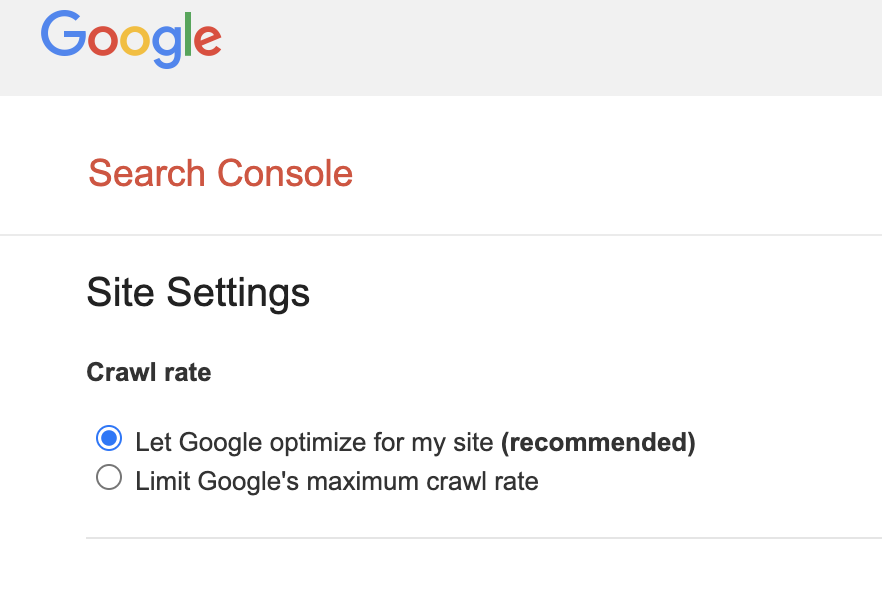
If you spend enough time reading technical SEO advice, you will eventually hear that you need to “optimize your crawl budget.”
It sounds important.
After all, if Google cannot crawl your website, how can your pages appear in search results?
But here is something many small-business owners need to hear:
You probably do not need to obsess over crawl budget.
Crawl budget is a legitimate technical SEO concept, but it matters much more on very large websites or sites that generate huge numbers of URLs.
For a typical small-business website with a few dozen or a few hundred important pages, I would usually spend far more time making sure Google can:
- Discover the right pages
- Crawl them
- Index them
- Understand how they relate to each other
That is often much more useful than trying to “increase crawl budget.”
Quick Answer: What Is Crawl Budget in SEO?
Crawl budget generally refers to how much crawling Googlebot can and wants to perform on a website over a given period.
Google does not crawl every URL on every website continuously.
Its systems make decisions about:
- How much crawling a site can handle
- Which URLs deserve to be crawled
- Which pages may need to be recrawled
- How often certain URLs should be revisited
For very large or technically complex websites, inefficient crawling can become a meaningful SEO problem.
For a typical local-business website, crawl budget usually is not where I would start troubleshooting.
I would first ask:
- Can Google find the important pages?
- Are those pages crawlable?
- Are they indexable?
- Are important pages internally linked?
- Is the XML sitemap clean?
- Are canonical tags correct?
- Are redirects clean?
- Are unnecessary duplicate pages being generated?
- Does each important page have a clear purpose?
Those questions are usually more actionable.
Crawling and Indexing Are Not the Same Thing
This distinction is extremely important.
Crawling
Crawling happens when a search-engine crawler such as Googlebot requests a URL and examines the page.
Indexing
Indexing is the separate process of Google deciding whether information from that page should be included in its search index.
Then comes ranking.
A simplified process looks like this:
Discovery → Crawling → Indexing → Ranking
Problems can occur at every stage.
A page may be discovered but not crawled right away.
It may be crawled but not indexed.
It may be indexed but rank poorly.
So if you see:
Crawled — currently not indexed
inside Google Search Console, that does not automatically mean:
“I need more crawl budget.”
The underlying problem might involve:
- Content quality
- Duplicate content
- Search intent
- Canonicalization
- Internal linking
- Page purpose
- Site architecture
Technical SEO requires diagnosis before treatment.
How Does Google Decide How Much to Crawl?
Two useful concepts are crawl capacity and crawl demand.
Crawl Capacity
Google does not want its crawling activity to overwhelm your website.
If a server responds quickly and reliably, Googlebot can crawl efficiently.
If a server becomes slow, unstable, or starts returning errors, crawling may be reduced.
This becomes much more important on large websites receiving substantial crawler traffic.
For a normal small-business website, I care about good hosting and reliable server performance because they help both users and search engines—not because I am trying to hack some invisible crawl-budget score.
Crawl Demand
Google also does not need to crawl every page equally often.
Some pages are:
- More important
- Updated frequently
- Linked more prominently
- More relevant to search demand
Others may rarely change or provide little value.
That is why I generally do not recommend trying to manually control how often Google crawls individual pages.
Instead, build a clean site where important content is easy to discover.
Do Small Business Websites Need to Worry About Crawl Budget?
Usually, not very much.
If your website has:
- 50 pages
- 100 pages
- 300 pages
and those URLs are clean, useful, crawlable, and well organized, I would not make crawl-budget optimization a top priority.
For most small-business websites I audit, the bigger technical problems tend to be:
- Important pages accidentally set to noindex
- Broken internal links
- Old URLs without redirects
- Redirect chains
- Incorrect canonicals
- Duplicate content
- Weak internal linking
- Orphan pages
- Sitemap problems
- Unnecessary indexed pages
- Slow or unreliable hosting
Those issues can interfere with visibility without crawl budget itself being the core problem.
If you are unsure where the real issue is, start with a broader SEO audit rather than assuming Google simply is not crawling enough.
When Does Crawl Budget Actually Matter?
Crawl budget becomes more relevant as a website gets larger and more technically complex.
Large Ecommerce Websites
An ecommerce site may have:
- Thousands of products
- Categories
- Variations
- Filters
- Sorting options
- Pagination
- Internal search pages
- Tracking parameters
A single product catalog can generate hundreds of thousands of URLs if the architecture is not controlled carefully.
That is a legitimate crawl-efficiency concern.
Large Directories
Directories can generate combinations involving:
- Locations
- Categories
- Services
- Profiles
- Filters
- Tags
- Search parameters
Those combinations can multiply quickly.
Large Publishing Websites
News websites and large publishers may produce many new pages every day while also maintaining enormous archives.
At that scale, discovery and recrawling become much more important.
Websites With Faceted Navigation
Faceted navigation is another common source of crawl complexity.
Imagine an online store that lets shoppers filter shoes by:
- Brand
- Size
- Color
- Price
- Material
- Style
Each combination may generate another URL.
That may be useful for shoppers.
It does not automatically mean every combination deserves its own search-engine landing page.
This is where crawl traps and URL bloat become much more relevant.
I cover that technical problem separately in my guide to SEO crawl traps and URL bloat.
Crawl Budget vs. Crawlability
For most small and medium-sized business websites, crawlability is usually the more useful concept.
Crawlability asks:
Can search engines access and navigate the pages I actually want them to find?
Every website should care about that.
For example, imagine you have an important service page.
It exists.
It is indexable.
But nothing on your website links to it.
The page may technically be available to Google, but it is poorly integrated into the website.
That is not necessarily a crawl-budget problem.
It is a site architecture and internal-linking problem.
This is one reason I put so much emphasis on internal linking for SEO.
Crawl Budget vs. Indexing
Indexing problems are also frequently confused with crawl-budget problems.
If Google is not indexing a page, people sometimes assume:
“Google just isn’t crawling my site enough.”
That may not be true at all.
Google may already know about the page.
The actual issue might be:
- Near-duplicate content
- Weak content
- Conflicting canonical tags
- Poor internal linking
- Noindex directives
- Redirect issues
- Another page targeting the same intent
- A URL Google does not currently consider useful enough to index
That is why the first question should not be:
How do I increase crawl budget?
It should be:
Why is this particular page not performing the way I expect?
Keep Your XML Sitemap Clean
Your XML sitemap should make it easier for search engines to discover the URLs you actually care about.
I generally want an XML sitemap filled with:
- Canonical URLs
- Indexable URLs
- Important pages
- URLs returning successful status codes
I do not want it filled with:
- Redirected URLs
- 404 pages
- Duplicate URLs
- Noindex pages
- Obsolete content
- Unnecessary archives
- Parameter variations
This becomes particularly important on websites that have been publishing for years.
As sites grow, old URLs often remain behind long after their usefulness has disappeared.
A clean sitemap helps communicate the website’s intended structure.
Fix Redirect Chains
Redirects are normal.
If Page A was permanently replaced by Page B, a 301 redirect may be exactly the correct solution.
But over time, redirects can start stacking.
For example:
Page A → Page B → Page C → Page D
Whenever possible, I prefer:
Page A → Page D
This creates a cleaner path for people and crawlers.
It is also something I pay close attention to when consolidating old SEO content.
If several outdated articles are being merged into one stronger resource, I want those retired URLs pointing directly to the final destination.
Update Broken Internal Links
If you redirect or delete a page, do not rely on the redirect forever when you control the internal link.
Suppose an old article links to:
/old-service-page/
and that URL now redirects to:
/new-service-page/
The redirect works.
But if you own the linking page, it is usually cleaner to update the internal link so it points directly to the new destination.
That reduces unnecessary redirect hops and keeps the site’s architecture cleaner.
Avoid Creating Unnecessary URLs
One of the easiest ways to improve crawl efficiency is:
Do not generate thousands of unnecessary URLs in the first place.
Depending on the CMS or website functionality, unnecessary URLs may come from:
- Filters
- Sorting parameters
- Tags
- Internal search
- Duplicate archives
- Tracking parameters
- Automatically generated pages
- Faceted navigation
This is much more important for large websites than a basic local business site.
But even WordPress plugins and themes can create URLs you did not realize existed.
That is why I periodically crawl websites rather than assuming the visible navigation represents the entire site.
Use Internal Links to Show Which Pages Matter
Internal links are one of the clearest ways to create structure.
Imagine one service page is buried five clicks deep with almost nothing pointing toward it.
Now compare it with another page linked from:
- The homepage
- Navigation
- Related service pages
- Several supporting articles
- A case study
Those relationships provide context.
Important pages should feel important within the architecture.
That does not mean adding the same exact-match anchor text everywhere.
Build links that make sense for people.
Avoid Orphan Pages
An orphan page is a page with no meaningful internal links pointing toward it.
It may exist.
It may even be listed in your sitemap.
But it is isolated from the site’s normal architecture.
I prefer important pages to have clear relationships with relevant content.
For example:
A Local SEO article might link to a Local SEO service page.
A technical SEO article might link to an SEO audit guide.
A case study might link to the relevant service it demonstrates.
That creates a much more understandable site.
Consolidate Duplicate and Overlapping Content
This has become one of the biggest lessons from working on mature websites.
Imagine a site publishes:
How Long Does SEO Take?
Then:
Why SEO Takes Time
Then:
Why SEO Results Don’t Happen Overnight
Then:
When Will SEO Start Working?
Each article may have looked reasonable when it was published.
But years later, you may have four URLs competing for essentially the same intent.
At that point, I ask:
Do all four really need to exist?
Often the stronger SEO move is to:
- Choose one primary page
- Merge useful information into it
- Redirect the weaker URLs
- Update internal links
That is exactly why I no longer believe publishing more blog posts automatically improves SEO.
Sometimes SEO growth comes from cleaning up what you already have.
Understand What Robots.txt Actually Does
Your robots.txt file can tell compliant crawlers which areas they should or should not crawl.
But this is where technical SEO can become risky.
Blocking the wrong folder or URL pattern can stop Googlebot from accessing important content or resources.
Remember:
robots.txt controls crawling.
It is not the same thing as noindex.
If your actual goal is to prevent a page from appearing in search results, do not assume blocking it in robots.txt accomplishes the same thing.
Crawling and indexing are related.
They are not identical.
For the hands-on differences between robots.txt, noindex, canonicals, and crawl control, see my guide to finding and fixing SEO crawl traps.
Understand What Noindex Does
A noindex directive tells a search engine that you do not want a page included in its search index.
That is different from preventing crawling.
Google generally needs to access the page in order to see the noindex directive.
Before making technical changes, understand whether you are trying to control:
Crawling
or:
Indexing
The solution depends on the problem.
Use Canonical Tags Correctly
Canonical tags help indicate a preferred version when multiple similar URLs exist.
They can be very useful when parameters or technical systems generate substantially similar pages.
But canonical tags should not become a substitute for cleaning up a messy website.
Sometimes two pages should not exist separately at all.
In those situations, consolidation and redirects may be more appropriate.
Technical SEO is about selecting the correct tool for the actual problem.
Improve Server Reliability
Server performance can affect crawling—especially on very large websites.
If a server repeatedly struggles to respond to Googlebot, crawling may be reduced so the crawler does not place even more pressure on the server.
For an average business website, though, I would not sell faster hosting as some magical “crawl-budget optimization” technique.
I care about good hosting because:
- Pages load more reliably
- Visitors have a better experience
- Crawlers can access the site properly
- Technical problems are reduced
Those are already excellent reasons.
What About 404 Errors?
A 404 simply means the requested URL could not be found.
404s are normal.
A few 404 URLs are not going to destroy your SEO.
Context matters.
If an important service page accidentally becomes a 404, fix it.
If an intentionally removed article has no relevant replacement, returning a proper 404 or 410 may be completely appropriate.
If there is a strong replacement, use a relevant 301 redirect.
What I do not recommend is redirecting every dead URL to the homepage.
Redirects should make sense.
What About AI Crawlers?
AI crawlers have created another layer of website crawling, but I keep that separate from Google’s crawl budget.
Different AI companies may operate their own crawlers.
Those are separate systems.
An AI crawler visiting your website does not mean it is somehow using up Google’s crawl budget.
If automated crawler traffic becomes so heavy that it affects server resources, bot management may become an infrastructure issue.
For the average local-business website, however, I would not turn this into another problem to worry about unless the data shows there is actually an issue.
How Do I Know Whether Google Is Crawling My Website?
Google Search Console gives you several useful ways to investigate.
Depending on the problem, I may look at:
Page Indexing
Useful for seeing broader indexing patterns.
URL Inspection
Useful for investigating a specific URL.
Crawl Stats
Useful for understanding Googlebot crawling activity.
XML Sitemaps
Useful for checking which URLs you are actively submitting for discovery.
The important thing is not just finding a warning or unusual number.
It is understanding what that number means.
Does a High Crawl Rate Mean Better Rankings?
No.
I would never use the number of Googlebot requests as an SEO success metric.
More crawling does not automatically mean:
- Better rankings
- More authority
- Better content
- More traffic
- More leads
A website could receive huge amounts of crawler activity because it generates thousands of useless URLs.
Another website could be crawled efficiently and rank extremely well.
The goal is not:
Make Googlebot crawl as much as possible.
The goal is:
Make it easy for Google to discover, access, and understand the pages that deserve organic visibility.
That is a completely different objective.
Should You Manually Adjust Google’s Crawl Rate?
For most business websites, I would not make this a priority.
I prefer fixing the underlying issue.
If Google is struggling because your server cannot handle requests, investigate the infrastructure.
If Google is crawling enormous numbers of filter URLs, fix the architecture.
If an important page has no internal links, fix the internal linking.
If your sitemap contains old redirected pages, clean the sitemap.
Trying to manipulate crawl behavior without diagnosing the real problem can become a distraction.
Crawl Budget Is Not a Ranking Factor to Chase
I would never tell a business owner:
“Optimize your crawl budget and you’ll rank higher.”
SEO does not work that way.
Search engines do need to discover and access pages before those pages can participate effectively in search.
But being crawled more frequently does not make a mediocre page suddenly deserve the #1 position.
Technical SEO creates the conditions for search engines to access and understand your website.
It does not replace:
- Search intent
- Useful content
- Relevance
- Authority
- Local signals
- Good site architecture
- Strong service pages
- A competitive business offering
All of those pieces still matter.
Crawl Budget Is One Part of Technical SEO
When I review a business website, I care much more about questions like:
- Can Google access the important pages?
- Are the right pages indexed?
- Are multiple pages competing for the same intent?
- Are redirects clean?
- Are canonicals correct?
- Is the XML sitemap accurate?
- Are important pages internally linked?
- Does the architecture make sense?
- Are unnecessary URLs being created?
- Are technical problems preventing strong content from performing?
Those questions usually lead to much more useful SEO work.
A Real-World Example: Why Website Cleanup Matters
Imagine a business has been publishing website content for eight years.
Over time, it accumulates 400 URLs.
During an audit, we discover:
- 80 are outdated
- 30 redirect through multiple URLs
- 40 overlap other articles
- 25 have no meaningful internal links
- Several redirected URLs remain in the sitemap
- A handful have incorrect canonical tags
The answer is not:
“We need Google to crawl more.”
The better answer is:
We need to make the website clearer.
That may mean:
- Consolidating overlapping pages
- Updating old content
- Fixing internal links
- Cleaning the sitemap
- Fixing redirect chains
- Correcting canonical tags
- Strengthening the pages that deserve visibility
That is the type of crawl optimization I care about.
Not trying to trick Googlebot into requesting an extra hundred URLs.
Frequently Asked Questions About Crawl Budget SEO
What is crawl budget in SEO?
Crawl budget generally refers to how much crawling Googlebot can and wants to perform on a website. It becomes most relevant on very large or technically complex sites where crawlers may encounter enormous numbers of URLs.
Does every website need crawl-budget optimization?
No. Most small-business websites do not need to make crawl budget a major SEO priority. Focus instead on making important pages easy to discover, crawl, index, and understand.
Does crawl budget affect rankings?
Not in the simple sense that more crawling equals better rankings. Crawling is necessary for discovery and processing, but a page still needs relevance, quality, authority, and appropriate search intent to compete.
What’s the difference between crawl budget and crawlability?
Crawl budget concerns how much crawling Googlebot can and wants to perform. Crawlability concerns whether search engines can access and navigate the pages you actually want them to find.
Do 404 errors waste crawl budget?
A few ordinary 404s are not something I would worry about. Problems become more significant when large websites continuously generate enormous numbers of unnecessary broken or low-value URLs.
Does noindex stop crawling?
No. noindex is primarily an indexing directive. Search engines generally need to crawl a page to see it.
Does robots.txt remove a page from Google?
No. Robots.txt primarily controls crawling. It should not be treated as a substitute for a noindex directive.
Do AI crawlers use Google’s crawl budget?
No. AI crawlers and Googlebot are separate systems.
Should small businesses look at Crawl Stats?
You can, especially when investigating a technical issue. But I would not treat Crawl Stats as an SEO performance score. Page Indexing, URL Inspection, sitemap health, internal linking, and overall site architecture are often more actionable.
Can internal linking help crawling?
Yes. Internal links help search engines discover pages and understand how they relate to other content across the website.
Don’t Optimize Crawl Budget Until You Know You Have a Crawl Problem
This is the biggest takeaway.
Technical SEO can become unnecessarily complicated when we start solving problems a website does not actually have.
For most small and medium-sized businesses, I would not begin with:
“How can we increase crawl budget?”
I would begin with:
Can Google find the right pages?
Can Google access them?
Are the right pages indexed?
Does every important page have a clear purpose?
Are technical signals consistent?
Is the website organized logically?
Get those fundamentals right first.
If you manage a massive ecommerce store, marketplace, directory, publisher, or other website with enormous numbers of URLs, crawl-budget management may deserve considerably more attention.
But if you own a typical local-business website, do not let technical SEO jargon distract you from the issues that actually need fixing.
Need Help Finding Technical SEO Problems?
I’m Jen Ruhman, founder of Jen Ruhman SEO.
As an SEO expert in San Diego, I work directly with businesses to identify technical, structural, and content problems that may be limiting organic visibility.
Sometimes that means fixing crawling or indexing issues.
Sometimes it means cleaning redirects.
Sometimes it means improving internal links.
Sometimes it means consolidating duplicate pages.
And sometimes the biggest SEO improvement comes from removing unnecessary clutter rather than adding more of it.
If you are looking for an experienced SEO consultant in San Diego, you can learn more about working with my San Diego SEO company.
You can also start with my SEO audit guide if you want to understand the kinds of issues I look for before recommending changes.
GET YOUR FREE SEO ANALYSIS →
Or call/text me at (619) 719-1315.
— Jen Ruhman
SEO Expert & Founder of Jen Ruhman SEO