Jun 16, 2023 | SEO Tips
Mastering Google My Business: Insider Tips from an Expert
Are you ready to take your business to the next level? Look no further than Google My Business, a powerful tool that can help you attract more customers and boost your online presence. In this fast-paced digital world, having a strong online presence is essential for success. And with Google My Business, you can easily manage your online reputation, connect with customers, and showcase your business in the best possible light. But how can you make the most out of this platform? That’s where I come in. As an expert in digital marketing and Google My Business, I’ve gathered insider tips and tricks that will help you master this tool and drive more traffic to your business. From optimizing your profile to leveraging customer reviews, I’ll show you how to stand out from the competition and position your business for success. Get ready to take your online presence to new heights with these insider tips from a Google My Business expert.
What is Google My Business?
Google My Business is a free tool provided by Google that allows businesses to manage their online presence across Google Search and Google Maps. It serves as a digital storefront for your business, providing valuable information to potential customers such as your business name, address, phone number, website, and operating hours. By claiming and optimizing your Google My Business listing, you can ensure that your business appears prominently in local search results and drive more traffic to your website or physical location.
Having a complete and accurate Google My Business listing is crucial for local businesses. Studies have shown that businesses with a verified listing are twice as likely to be considered reputable by consumers. Additionally, it has been found that 70% of customers visit a store within 5 miles of their current location, making local search a vital channel for attracting customers. By utilizing Google My Business effectively, you can increase your visibility in local search results and gain a competitive edge over other businesses in your area.
Optimizing your Google My Business listing
To make the most out of your Google My Business listing, it’s important to optimize it with relevant and compelling information. Start by claiming your listing if you haven’t already done so. This involves verifying that you are the owner or authorized representative of the business. Once you’ve claimed your listing, you can start optimizing it by providing accurate and up-to-date information about your business.
First and foremost, make sure that your business name, address, and phone number (NAP) are consistent with what appears on your website and other online directories. Consistency is key for local search optimization, as it helps search engines understand that your business is legitimate and trustworthy. Additionally, choose the most appropriate category for your business to ensure that it appears in relevant search results.
Next, write a compelling business description that highlights your unique selling points and key offerings. Use relevant keywords naturally throughout the description to improve your chances of appearing in search results. Don’t forget to include a link to your website and any other relevant URLs, such as links to specific pages or online booking portals.
Tips for improving your Google My Business ranking
Once you’ve optimized your Google My Business listing, it’s time to focus on improving your ranking in local search results. Here are some tips to help you get started:
1. Collect and respond to customer reviews:
Customer reviews play a crucial role in local search rankings. Encourage your customers to leave reviews on your Google My Business listing and respond to them in a timely and professional manner. Positive reviews can boost your reputation and attract more customers, while negative reviews provide an opportunity to address customer concerns and showcase your commitment to customer satisfaction.
2. Add photos and videos:
Visual content can make your listing more engaging and increase your chances of appearing in search results. Upload high-quality photos and videos that showcase your products, services, and the overall ambiance of your business. This not only helps potential customers get a glimpse of what to expect but also signals to search engines that your listing is active and up-to-date.
3. Publish regular posts:
Google My Business allows you to publish posts that appear directly in your listing. Take advantage of this feature by sharing updates, promotions, events, and other relevant content. Posting regularly not only keeps your listing fresh and engaging but also improves your chances of appearing in search results.
Utilizing Google My Business features to their fullest potential
Google My Business offers a range of features that can help you enhance your listing and stand out from the competition. Here are some features worth exploring:
1. Messaging:
Enable messaging on your Google My Business listing to allow customers to reach out to you directly. This can be a convenient way for customers to ask questions, make inquiries, or book appointments. Respond promptly and professionally to build trust and increase customer satisfaction.
2. Online booking:
If you offer appointment-based services, consider integrating an online booking system with your Google My Business listing. This makes it easy for customers to schedule appointments directly from your listing, streamlining the booking process and increasing conversions.
3. Google Posts:
As mentioned earlier, Google Posts allow you to share updates, promotions, and other content directly in your listing. Experiment with different types of posts to see what resonates with your audience and drives engagement. You can include images, videos, and even calls-to-action to encourage customers to take a specific action.
By leveraging these features, you can provide a seamless and convenient experience for potential customers, increasing the likelihood of conversions and repeat business.
Responding to reviews on Google My Business
Customer reviews are a powerful tool for building trust, attracting new customers, and improving your search rankings. However, it’s not enough to simply collect reviews; you also need to respond to them. Responding to reviews shows that you value customer feedback and are committed to providing excellent service. Here are some best practices for responding to reviews on Google My Business:
1. Respond promptly:
Aim to respond to reviews within 24 to 48 hours, if possible. This shows that you are actively engaged with your customers and care about their feedback.
2. Be professional and courteous:
Always maintain a professional tone when responding to reviews, even if the review is negative or unfair. Address any concerns raised by the reviewer and offer a solution or explanation, if necessary. Avoid getting defensive or engaging in arguments.
3. Thank positive reviewers:
Take the time to thank customers who leave positive reviews. Expressing gratitude shows your appreciation and encourages them to continue supporting your business.
4. Address negative reviews constructively:
When responding to negative reviews, acknowledge the customer’s concerns and apologize if necessary. Offer a solution or an explanation, and invite the customer to reach out privately to discuss the issue further. This demonstrates your commitment to resolving customer problems and can help mitigate the impact of negative reviews.
Remember, your responses to reviews are public and can be seen by potential customers. By handling reviews professionally and responsively, you can build a positive online reputation and attract more customers to your business.
Measuring the success of your Google My Business efforts
To gauge the effectiveness of your Google My Business efforts, it’s important to track key metrics and analyze the data. Here are some metrics worth monitoring:
1. Listing views:
This metric shows how many times your listing has been viewed by users. An increase in views indicates that your listing is appearing prominently in search results and attracting user attention.
2. Search queries:
By analyzing the search queries that led users to your listing, you can gain insights into the keywords and phrases that are driving traffic. This can help you optimize your listing and content to better align with user intent.
3. Customer actions:
Google My Business provides data on the actions users take after viewing your listing, such as visiting your website, requesting directions, or making a phone call. By monitoring these actions, you can assess the effectiveness of your listing in driving conversions.
4. Review sentiment:
Analyzing the sentiment of customer reviews can provide valuable insights into customer satisfaction and the overall perception of your business. Look for patterns in positive and negative reviews to identify areas for improvement and capitalize on strengths.
By regularly monitoring these metrics and making data-driven decisions, you can refine your Google My Business strategy and maximize its impact on your business.
Common mistakes to avoid on Google My Business
While Google My Business offers numerous opportunities for businesses to enhance their online presence, it’s important to avoid common pitfalls. Here are some mistakes to watch out for:
1. Inconsistent NAP information:
As mentioned earlier, consistency is key when it comes to your business name, address, and phone number. Ensure that this information is consistent across your Google My Business listing, website, and other online directories. Inconsistencies can confuse search engines and harm your local search rankings.
2. Ignoring customer reviews:
Customer reviews provide valuable feedback and can influence potential customers’ purchasing decisions. Ignoring or neglecting to respond to reviews can damage your reputation and hinder your ability to attract new customers. Make it a priority to monitor and respond to reviews regularly.
3. Neglecting to update information:
It’s important to keep your Google My Business listing up-to-date with accurate information. If your business undergoes any changes, such as a new location or operating hours, make sure to update your listing promptly. Outdated information can frustrate potential customers and harm your search rankings.
4. Overlooking the insights section:
Google My Business provides valuable insights into user behavior and engagement with your listing. Take the time to analyze these insights and adjust your strategy accordingly. This data can help you identify trends, understand your audience better, and optimize your listing for maximum impact.
By avoiding these common mistakes, you can ensure that your Google My Business listing is optimized for success and positively contributes to your online presence.
Expert advice for mastering Google My Business
As an expert in digital marketing and Google My Business, I’ve seen firsthand the impact this tool can have on businesses. Here are some additional tips to help you master Google My Business and drive more traffic to your business:
1. Encourage customer reviews:
Actively encourage your customers to leave reviews on your Google My Business listing. This can be done through in-store signage, email campaigns, or social media promotions. The more reviews you have, the more social proof you will have, which can influence potential customers’ decision-making process.
2. Leverage Google My Business posts:
Experiment with different types of posts, such as event announcements, product highlights, or limited-time offers. Use eye-catching visuals and compelling calls-to-action to grab users’ attention and entice them to engage with your business.
3. Monitor and respond to questions:
Users can ask questions directly on your Google My Business listing. Make it a habit to regularly check for new questions and provide prompt and helpful responses. This not only helps potential customers but also shows that you are actively engaged with your audience.
4. Monitor competitor activity:
Keep an eye on how your competitors are using Google My Business and learn from their successes and failures. Look for opportunities to differentiate yourself and offer unique value to your customers.
5. Integrate Google My Business with your website:
Make sure to link your Google My Business listing to your website and vice versa. This helps search engines understand the relationship between the two and can improve your search rankings. Additionally, consider embedding Google Maps on your website to make it easy for customers to find your physical location.
By following these tips and staying informed about the latest updates and features of Google My Business, you can position your business for success and attract more customers in the digital landscape.
Google My Business is a powerful tool that can help you take your business to new heights in the digital world. By optimizing your listing, leveraging its features, and engaging with customers, you can increase your visibility, attract more customers, and stand out from the competition. Remember to regularly monitor and analyze key metrics to measure the success of your efforts and make data-driven decisions. With these insider tips from a Google My Business expert, you have the knowledge and tools to master this platform and drive more traffic to your business. Embrace the power of Google My Business and unlock new opportunities for growth and success.
Hello there! I’m Jen, and I specialize in enhancing website performance and bolstering the online presence of business owners.
If you’re on the lookout for an SEO company San Diego trusts, your search ends right here! Our SEO company, based in San Diego, is the perfect solution. Our team comprises highly skilled experts who are dedicated to delivering exceptional SEO services tailored specifically to your business requirements. From comprehensive keyword research to effective content optimization strategies and strategic backlink management, we possess the knowledge and expertise to help you thrive. Don’t miss out on the opportunity to drive organic traffic and achieve higher conversion rates. Reach out to Jen Ruhman SEO today, and let us take your website to unprecedented levels of success!

Jun 15, 2023 | SEO, SEO Tips
If you’ve been researching SEO for a while, you’ve probably come across the term “LSI keywords.”
For years, SEO articles — including an older version of this very article — recommended finding LSI keywords and adding them throughout your content to help Google understand what your page was about.
Today, I would give you different advice.
LSI keywords are not something you need to optimize for.
Google has specifically stated that it does not have a concept of “LSI keywords.” The idea became popular in the SEO industry as a way of explaining how search engines understand related words and topics, but it oversimplifies how modern search actually works.
That doesn’t mean related words, context or comprehensive content don’t matter.
They absolutely do.
But instead of trying to find a list of “LSI keywords” to sprinkle throughout a page, I recommend focusing on search intent, topical relevance, entities, context and genuinely useful information.
Here’s what that means.
What Does LSI Mean?
LSI stands for Latent Semantic Indexing.
It is an information-retrieval technique developed decades ago to identify relationships between words and concepts within collections of documents.
Somewhere along the way, the SEO industry turned this into the idea of “LSI keywords.”
The theory was that Google could better understand your primary keyword if you also included semantically related words throughout your content.
For example, if your main keyword were:
roofing company
An SEO tool might suggest related terms such as:
- roof repair
- roofing contractor
- shingles
- roof inspection
- roof replacement
- roof leaks
- metal roofing
- residential roofing
Those terms certainly make sense on a roofing website.
But they’re not valuable because they’re some special category of LSI keywords.
They’re valuable because they’re naturally related to the subject.
That’s an important distinction.
Does Google Use LSI Keywords?
No — not in the way the SEO industry traditionally described them.
Google has publicly stated that it does not have a concept called LSI keywords.
So you don’t need an LSI keyword tool.
You don’t need to calculate LSI keyword density.
And you don’t need to add specific related phrases to your page simply because an SEO tool tells you they’re semantically connected to your primary keyword.
Modern search engines have become considerably more sophisticated at understanding language, context and what a page is actually about.
That’s why my approach to content today is much different than it was years ago.
Why Did LSI Keywords Become So Popular in SEO?
Because there was a real SEO concept hiding underneath the bad terminology.
Context matters.
Imagine I publish a page containing the word:
Apple
Am I talking about the fruit?
Apple Inc.?
Apple computers?
Apple stock?
An apple orchard?
The surrounding content helps clarify the subject.
If the page discusses iPhones, MacBooks, iOS and technology, its meaning becomes fairly obvious.
If it discusses orchards, varieties, harvesting and fruit trees, we’re talking about something completely different.
That’s essentially what SEOs were trying to describe when they talked about LSI keywords.
The mistake was assuming there was a specific Google SEO mechanism called LSI keywords that website owners needed to optimize for.
There isn’t.
What Should You Focus on Instead of LSI Keywords?
This is where things get much more useful for a business owner.
Rather than asking:
“Which related keywords should I add to this page?”
I prefer asking:
“Have I created the best page I reasonably can about this subject for the person searching for it?”
That changes the entire content strategy.
1. Search Intent
First, understand why someone is searching.
Someone searching:
“roof replacement cost San Diego”
probably wants very different information from someone searching:
“emergency roof leak repair near me.”
The words may relate to the same general industry, but the intent is different.
Understanding search intent helps you create the right page for the right query instead of simply trying to make one page rank for every variation imaginable.
2. Topical Relevance
If you’re creating a page about roof replacement, you naturally might discuss materials, lifespan, costs, warning signs, installation, permits and what homeowners should expect.
You’re not including these topics because they’re LSI keywords.
You’re including them because they help answer the reader’s questions about roof replacement.
That’s also part of building topical authority across a website.
The more clearly your website demonstrates genuine expertise around the subjects relevant to your business, the easier it becomes for both users and search engines to understand what your business is actually known for.
3. Entities and Context
Modern search is about more than matching individual words.
Search engines need to understand things and their relationships.
For a local business, that could include:
- your business
- your services
- the owner or providers
- your industry
- your location
- your service areas
- relevant organizations
- products or services associated with the business
This is one reason I put so much emphasis on clearly communicating who you are, what you do and where you do it throughout a business website.
For local businesses, those relationships can also reinforce geographic relevance.
4. Natural Language
Write like a knowledgeable human being.
You don’t need to force ten variations of the same keyword into an article.
If you’re genuinely knowledgeable about a subject and explain it thoroughly, many relevant terms and concepts will appear naturally.
That doesn’t mean keywords have disappeared from SEO.
It means we’re using them to understand what people want instead of trying to hit an arbitrary number of repetitions.
Here’s How I Would Optimize the Roofing Example Today
Let’s go back to our roofing company.
Years ago, an SEO might create a list like:
roofing company, roofing contractor, roof repair, roof installation, roofing services, residential roofing…
And then try to make sure those phrases appeared throughout the page.
I wouldn’t approach it that way today.
Instead, I’d ask:
What does a potential roofing customer actually need to know?
Maybe the page should explain:
What types of roofs does the company repair?
What areas does it serve?
Does it handle residential and commercial roofing?
What are the signs that a roof needs replacement?
What roofing materials does it work with?
What happens during an inspection?
Who performs the work?
How much experience does the company have?
What should someone do if their roof is leaking?
Answer those questions well and you’ll naturally use terminology associated with roofing.
More importantly, you’ll have created something useful to the potential customer.
That’s the goal.
Don’t Replace LSI Keywords With Another SEO Checklist
This is another mistake I see.
SEO changes, an old tactic disappears, and marketers immediately look for a new checklist:
“Use X number of entities.”
“Mention these 25 semantic terms.”
“Add exactly this many related keywords.”
“Write 2,000 words because the competitors did.”
That’s not how I approach SEO.
There’s nothing wrong with using keyword research and competitive analysis to discover topics you’ve overlooked.
I do it all the time.
In fact, finding the right keywords is still an important part of my SEO process. The difference is that I use keyword data to understand what people are searching for and what they actually want — not as a checklist of phrases that need to be stuffed into a page.
SEO tools provide data.
They shouldn’t write your strategy for you.
Are Keywords Still Important for SEO?
Yes.
I don’t want the takeaway from this article to be that keywords don’t matter anymore.
They do.
Keywords can tell us a tremendous amount about what people are searching for, the language customers use, the questions they have and what kind of content we may need to create.
I still perform keyword research.
I still map important keywords to pages.
I still pay attention to titles, headings, page topics and search intent.
What I don’t do is treat content like a mathematical formula where mentioning a certain combination of words automatically earns better rankings.
Modern SEO requires much more context than that.
LSI Keywords vs. Topical Authority
This is probably the biggest evolution in how I think about this subject.
Instead of trying to make one page contain every related keyword, think about whether your website demonstrates genuine depth around the subjects that matter to your business.
For example, an SEO website might have separate useful resources covering:
- keyword research
- search intent
- internal linking
- local SEO
- Google Business Profile optimization
- technical SEO
- content strategy
- AI search
Each resource serves a specific purpose.
Together, they help users explore the subject in greater depth.
That’s much closer to how I think about topical authority today.
If you’re unfamiliar with the concept, I recommend reading my guide, What Is Topical Authority? A Simple Guide for Business Owners, next.
SEO Changes — And Good SEO Advice Should Change With It
There’s another reason I wanted to update this article.
SEO doesn’t stand still.
I’ve worked in this industry for more than a decade, and some of the tactics that were commonly recommended years ago aren’t tactics I would recommend to a client today.
That’s normal.
Google changes.
Search behavior changes.
Technology changes.
And now AI-powered search is changing the way people discover information and businesses again.
Being good at SEO isn’t about finding one formula and using it forever.
It’s about understanding what’s changing while continuing to focus on the fundamentals that actually matter.
This is also how I approach San Diego SEO for my own clients. I’m much more interested in building a website that clearly demonstrates what a business does, who it serves and why it deserves visibility than chasing outdated SEO tricks.
The Bottom Line: You Don’t Need LSI Keywords
If someone tells you that you need to add LSI keywords to your website to rank on Google, you can safely cross that task off your SEO checklist.
LSI keywords aren’t an SEO strategy.
Instead, focus on:
Search intent.
Topical relevance.
Context.
Clear language.
Useful information.
Genuine expertise.
Keywords still have an important role in SEO, but they should help you understand your customers and organize your website — not dictate every word you write.
SEO has evolved considerably since I first started doing this work, and that’s one of the reasons I periodically revisit older advice on my own website.
Sometimes the best SEO improvement isn’t publishing another article.
It’s making sure the information you’ve already published still deserves to be trusted.
Want to Know What’s Actually Holding Your Website Back?
I help businesses throughout San Diego improve their visibility in Google and adapt their SEO strategies as search continues to evolve.
If you’re wondering whether outdated SEO tactics, weak content, technical problems or your overall website strategy are limiting your rankings, I’ll take a look.
Get a Free SEO Analysis
Jun 14, 2023 | SEO, SEO Tips
In today’s digital age, having a strong online presence is crucial for businesses and individuals alike. When it comes to improving visibility and attracting organic traffic, search engine optimization (SEO) plays a pivotal role. As an aspiring website owner or content creator, it’s important to grasp the concept of an SEO score and how it impacts your search rankings on platforms like Google.
What is an SEO Score?
An SEO score is a quantitative measure that evaluates the quality and relevance of a webpage’s content, structure, and optimization strategies. It’s a reflection of how well your page aligns with search engine algorithms and guidelines. The higher your SEO score, the better your chances of ranking higher on search engine results pages (SERPs).
Factors Influencing SEO Score
To improve your SEO score and outrank competing websites, it’s crucial to understand the key factors that search engines consider when ranking webpages. Here are some important elements to focus on:
1. Content Quality and Relevance
Content is the backbone of any successful SEO strategy. Creating high-quality, informative, and engaging content is essential for both readers and search engines. By offering valuable information that meets users’ needs, you can establish your website as a reliable source of information, which in turn helps to boost your SEO score.
2. Keyword Research and Optimization
Keywords are the foundation of SEO. Conducting thorough keyword research enables you to identify the terms and phrases that your target audience is searching for. By strategically incorporating these keywords into your content, meta tags, headings, and URLs, you can optimize your website for improved visibility and higher rankings.
3. On-Page Optimization
Optimizing your webpages involves various on-page elements. These include meta tags, title tags, headings, image alt attributes, and URL structures. By optimizing these elements with relevant keywords and ensuring they align with search engine guidelines, you can enhance your SEO score.
4. Website Performance and User Experience
Search engines prioritize websites that offer a seamless user experience. Factors such as page loading speed, mobile responsiveness, intuitive navigation, and clear site structure contribute to better user engagement. By optimizing these aspects, you can improve your SEO score and provide a positive experience for your visitors.
5. Backlinks and Link Building
Backlinks, or incoming links from other websites, play a significant role in determining your SEO score. Search engines consider backlinks as an indication of your website’s credibility and authority. By earning high-quality backlinks from reputable sources, you can enhance your website’s visibility and boost your SEO score.
How to Improve Your SEO Score
Now that we’ve explored the factors that influence your SEO score, let’s discuss some effective strategies to improve it:
1. Conduct a Comprehensive SEO Audit
Start by conducting a thorough SEO audit of your website to identify areas for improvement. Use specialized tools to analyze your website’s performance, identify technical issues, and discover opportunities for optimization.
2. Create High-Quality, Keyword-Rich Content
Develop a content strategy that focuses on creating valuable and relevant content for your target audience. Conduct keyword research to identify the terms and phrases that resonate with your audience and incorporate them naturally into your content.
3. Optimize On-Page Elements
Ensure your meta tags, title tags, headings, and URLs are optimized with relevant keywords. Craft compelling meta descriptions that entice users to click on your search listings. Use descriptive and keyword-rich alt attributes for images.
4. Improve Website Performance and User Experience
Optimize your website for speed by compressing images, minimizing HTTP requests, and leveraging browser caching. Make sure your website is mobile-friendly and offers a seamless browsing experience across different devices. Enhance navigation by organizing your content into logical categories and using clear internal linking structures.
5. Build High-Quality Backlinks
Focus on acquiring authoritative backlinks from reputable websites in your industry. Guest blogging, creating valuable content that others want to link to, and participating in industry-specific forums and communities can help you earn quality backlinks.
By implementing these strategies and continuously monitoring your website’s performance, you can improve your SEO score and achieve higher rankings on search engine results pages.
Are you prepared to take your website’s performance to new heights and enhance your online visibility?
Looking for an SEO company San Diego trusts? Look no further than our San Diego SEO company! Our team of skilled experts is dedicated to delivering exceptional SEO services customized to meet your unique business requirements. From conducting comprehensive keyword research to implementing effective content optimization strategies and managing strategic backlinks, we have the expertise to help you succeed. Don’t miss out on the opportunity to drive organic traffic and achieve higher conversion rates. Get in touch with Jen Ruhman SEO today and let us elevate your website to new levels of success!
Jun 14, 2023 | SEO Tips
Understanding Direct Traffic in Google Analytics
In today’s digital age, website traffic is the lifeblood of online businesses. Every website owner strives to attract visitors and convert them into customers. One of the key metrics used to measure website performance is direct traffic. In this article, we will delve into the concept of direct traffic in Google Analytics and explore strategies to boost your website’s direct traffic.
What is Direct Traffic?
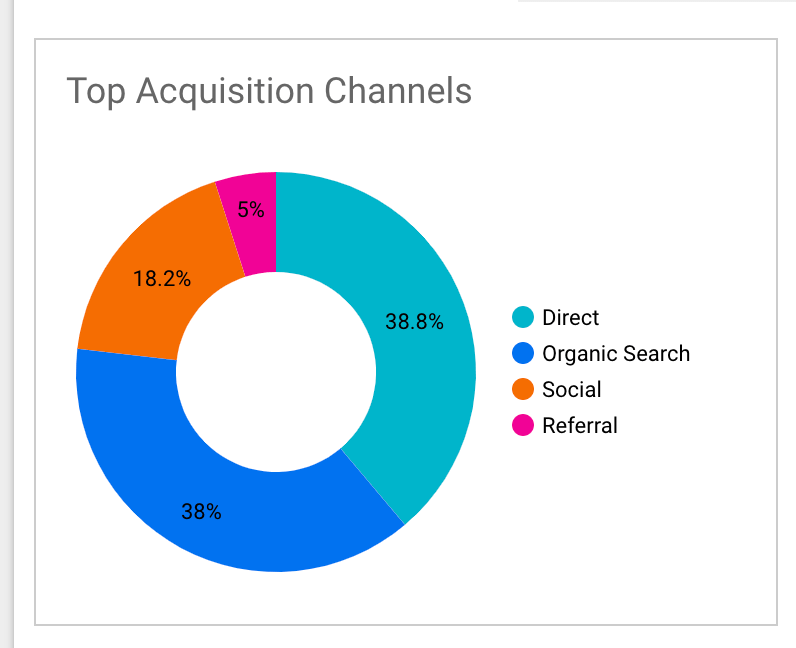
Direct traffic refers to visitors who land on your website by directly typing your URL into their browser, using bookmarks, or clicking on untraceable links, such as links in mobile applications or offline documents. Essentially, direct traffic represents users who already know about your website or have it saved as a favorite.
Direct traffic in Google Analytics refers to the visits to a website that occur when a user types the website URL directly into their browser’s address bar or uses a bookmark to access the site. It represents visitors who arrive at the website without clicking on a referral link from another website, search engine, or any other source.
Direct traffic is attributed to users who are already familiar with the website and have chosen to navigate directly to it, rather than following a link. It typically includes regular visitors, loyal customers, and those who have the website bookmarked for quick access.
It’s important to note that direct traffic can also include visits from sources that are not properly tracked by Google Analytics, such as some mobile apps or email clients. In these cases, the traffic may be labeled as direct due to technical limitations or privacy settings.
Monitoring direct traffic in Google Analytics provides insights into the number of visitors who directly access a website, helping website owners understand the effectiveness of offline marketing efforts, brand recognition, and user loyalty.
Importance of Direct Traffic
Direct traffic holds significant value for website owners. It signifies brand awareness, customer loyalty, and a strong online presence. When users directly type your URL, it shows that they are familiar with your brand and actively seek out your website. Consequently, direct traffic can be a reflection of your website’s reputation and the effectiveness of your offline marketing efforts.
Enhancing Direct Traffic
Now that we understand the importance of direct traffic, let’s explore some strategies to enhance it and strengthen your website’s online presence.
1. Brand Building and Awareness
Investing in brand building activities is crucial for increasing direct traffic. Establish a strong brand identity, develop a memorable logo, and create engaging content that resonates with your target audience. Consistency in branding across all marketing channels will help improve brand recognition and encourage users to visit your website directly.
2. Offline Marketing
Offline marketing plays a significant role in driving direct traffic. Utilize traditional advertising channels such as television, radio, print media, and billboards to promote your website’s URL. Including your website address in all offline marketing materials will make it easier for potential customers to remember and directly access your site.
3. Email Marketing Campaigns
Email marketing remains an effective strategy to nurture customer relationships and boost direct traffic. Encourage your existing customer base to visit your website by sending out personalized newsletters, exclusive promotions, and relevant content. Including clear call-to-action buttons and direct links to your website will increase the chances of users visiting your site directly.
4. Social Media Engagement
Social media platforms provide excellent opportunities to engage with your audience and drive direct traffic. Develop a strong social media presence by sharing valuable content, interacting with followers, and promoting your website through posts and advertisements. Encourage social media users to visit your website by incorporating direct links and compelling calls-to-action.
5. Influencer Partnerships
Collaborating with influential figures in your industry can significantly impact your direct traffic. Seek out relevant influencers who align with your brand values and target audience. Partner with them to create sponsored content, host giveaways, or collaborate on projects that drive their followers to visit your website directly.
6. Offline Events and Partnerships
Participating in offline events, trade shows, and partnerships can help drive direct traffic to your website. Attend industry conferences and exhibitions, host workshops, or sponsor events to increase brand visibility. Use these opportunities to distribute marketing materials that prominently feature your website URL.
Conclusion
Direct traffic is a vital component of a successful website strategy. By implementing the strategies mentioned above, you can boost your website’s direct traffic and improve its overall performance. Remember, a strong online presence coupled with effective branding efforts and marketing initiatives will contribute to a higher number of users visiting your website directly.
Are you ready to elevate your website’s performance and boost your online visibility?
Look no further than this San Diego SEO company! Our team of experts in San Diego is here to provide top-notch SEO services tailored to your business needs. From comprehensive keyword research to effective content optimization and strategic backlink management, we’ve got you covered. Don’t miss out on the opportunity to drive more organic traffic and increase conversions. Contact Jen Ruhman SEO today and let us take your website to new heights!

Jun 13, 2023 | SEO Tips
In the modern digital landscape, having a strong online presence is crucial for any business. This holds true for junk removal companies as well. In order to attract more customers and stay ahead of the competition, it is essential to optimize your website for search engines. This article will provide you with valuable insights and strategies on how to enhance your junk removal business’s visibility through effective search engine optimization (SEO) techniques.
1. Understanding the Importance of SEO for Junk Removal Businesses
Search engine optimization plays a vital role in increasing the visibility and online presence of junk removal businesses. By optimizing your website, you can ensure that your business appears prominently in search engine results pages (SERPs) when potential customers search for relevant keywords or phrases.
2. Conducting Keyword Research for Junk Removal SEO
Keyword research is the foundation of any successful SEO strategy. Identify keywords and search terms that are relevant to junk removal services. Use keyword research tools to uncover high-volume, low-competition keywords to target in your website’s content.
3. On-Page Optimization for Junk Removal Websites
On-page optimization involves optimizing various elements on your website to improve its search engine rankings. This includes optimizing meta tags, headers, URLs, and image alt tags. Incorporate relevant keywords naturally into your content and ensure that your website’s structure is user-friendly.
4. Creating High-Quality Content for Junk Removal Websites
High-quality and informative content not only engages your website visitors but also helps improve your search engine rankings. Create blog posts, articles, and guides related to junk removal services. Ensure that your content is well-researched, original, and optimized for specific keywords.
5. Building Backlinks for Junk Removal SEO
Backlinks are an essential aspect of off-page optimization. Acquire high-quality backlinks from reputable websites related to junk removal or home improvement. Guest blogging, influencer outreach, and participating in industry forums are effective ways to build backlinks.
6. Optimizing Your Website’s User Experience
User experience (UX) is a critical factor in SEO. Ensure that your website is responsive, mobile-friendly, and easy to navigate. Optimize page loading speed, enhance readability, and provide clear calls-to-action to improve user engagement and reduce bounce rates.
7. Local SEO Strategies for Junk Removal Companies
For local junk removal businesses, local SEO is paramount. Optimize your Google My Business listing, include local keywords in your content, and encourage satisfied customers to leave reviews. Consistency in NAP (Name, Address, Phone Number) across online directories is essential for local SEO success.
8. Leveraging Social Media for Junk Removal SEO
Social media platforms offer excellent opportunities to promote your junk removal business and engage with potential customers. Create engaging social media content, share before-and-after photos, and encourage customers to leave reviews on your social profiles.
9. Measuring and Analyzing SEO Performance
Regularly monitor and analyze your website’s SEO performance using tools like Google Analytics and Google Search Console. Track keyword rankings, organic traffic, bounce rates, and conversion rates. Use these insights to refine your SEO strategies and identify areas for improvement.
10. Mobile Optimization for Junk Removal Websites
With the increasing use of mobile devices, optimizing your website for mobile is crucial. Ensure that your website is mobile-responsive, loads quickly on mobile devices, and provides a seamless browsing experience for mobile users.
11. Optimizing Your Website for Voice Search
Voice search is becoming increasingly popular, and optimizing your website for voice queries can give you a competitive edge. Incorporate natural language and long-tail keywords into your content to cater to voice search queries effectively.
12. Improving Website Loading Speed for Better SEO
Website loading speed is a crucial factor in both user experience and SEO. Optimize your website’s loading speed by compressing images, minifying code, leveraging browser caching, and choosing a reliable hosting provider.
13. Implementing Schema Markup for Junk Removal Websites
Schema markup helps search engines understand the content and context of your website better. Implement schema markup for your junk removal business, including local business schema, reviews schema, and FAQ schema. This can enhance your website’s visibility in search results.
14. Utilizing Online Directories and Review Platforms
Listing your junk removal business in online directories and review platforms can significantly improve your local SEO. Claim and optimize your profiles on platforms like Yelp, Angie’s List, and HomeAdvisor. Encourage satisfied customers to leave reviews, which can boost your reputation and search rankings.
15. Conclusion
In the competitive world of junk removal, a well-executed SEO strategy can help your business stand out and attract more customers. By implementing the strategies outlined in this article, including keyword research, on-page optimization, content creation, and local SEO techniques, you can improve your online visibility, drive organic traffic, and grow your junk removal business.
FAQs
1. How long does it take to see results from SEO for junk removal businesses? It varies depending on various factors, such as your website’s current state, competition, and the effectiveness of your SEO efforts. Generally, it takes a few months to start seeing significant results, but continuous SEO efforts yield long-term benefits.
2. Can I do SEO for my junk removal business on my own? While it’s possible to handle some basic SEO tasks on your own, it’s recommended to seek professional assistance for a comprehensive SEO strategy. SEO experts can provide the knowledge and expertise needed to achieve optimal results.
3. How much does SEO for junk removal cost? The cost of SEO services can vary based on factors such as the size of your website, the scope of the SEO campaign, and the level of competition in your market. It’s best to consult with SEO agencies or professionals to get accurate cost estimates.
4. Is social media important for junk removal SEO? Yes, social media can play a significant role in your junk removal SEO strategy. It helps you connect with potential customers, showcase your services, and build brand awareness. Additionally, social signals from platforms like Facebook and Twitter can positively impact your search rankings.
5. How often should I update my website’s content for SEO purposes? Regularly updating your website’s content is essential for SEO. Aim to publish fresh and relevant content on a consistent basis. This could be in the form of blog posts, articles, or informational guides. By providing valuable content to your audience, you improve your chances of ranking higher in search results.
👋 Hello! As a trusted SEO company in San Diego, we offer affordable rates that grant you access to expert knowledge on a range of topics, including keyword research and analysis, content optimization, backlink analysis and management, and much more!
Contact us today and let us assist you in optimizing your website. Take the first step towards success by reaching out to Jen Ruhman SEO now!

Jun 12, 2023 | SEO, SEO Tips
Roofing companies need SEO (Search Engine Optimization) because it helps them to improve their online visibility and attract more potential customers to their website.
In today’s digital age, the vast majority of people use search engines like Google to find local businesses and services. If your roofing company doesn’t show up on the first page of search results when someone searches for “roofing services in [your city],” then chances are you’re missing out on a lot of potential business.
By investing in SEO, you can optimize your website’s content and structure to make it more appealing to search engines like Google. This can help to improve your website’s search engine ranking, making it more likely that potential customers will find your website when searching for roofing services in your area.

SEO can also help to build your roofing company’s reputation and authority in the industry. By creating high-quality content and earning backlinks from other reputable websites, you can establish your company as a trusted and knowledgeable source of information in the roofing industry. This can help to build trust with potential customers and increase the likelihood that they’ll choose your company for their roofing needs.
Struggling to get your website seen online?
You know having a great website isn’t enough if no one can find it. With Jen Ruhman SEO in San Diego, you’re sure to have maximum visibility, as our team is highly knowledgeable and experienced with 10 years of SEO services under their belt. We believe that every business deserves to be seen by the right people!
Take advantage of our expertise today and give us a call for a free consultation on how we can help grow your business. From optimizing websites for better search engine rankings to providing advice and assistance – trust our experienced SEO company in San Diego so you can stay ahead of the competition.
Call (619) 719-1315 now for a free consultation about how we can help grow your business! Your success awaits – reach out now!